FAQ – Are There Age Requirements for Rafting the Grand Canyon River?

When it comes to planning a rafting trip, there are a lot of questions that come up. Whether it’s what is the best trip to choose, what to pack, or what an average day on the river is like, we are always happy to answer any questions you may have. One common question we get is about age requirements on our trips.

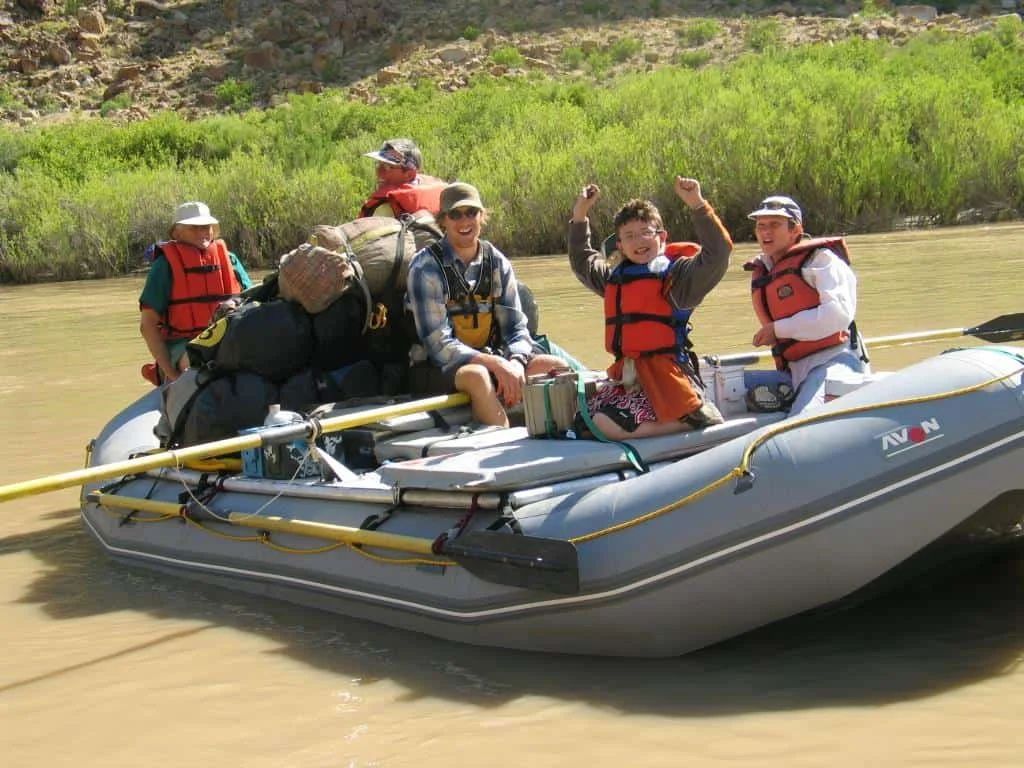
People on a raft on a river, smiling and cheering. Green foliage in the background.

Q: Is there a minimum age required for your rafting trips?

A: Yes, we have a minimum age requirement on all of our rafting trips. The age requirement varies depending upon the trip. We have these age requirements in place for safety reasons. Our minimum age requirements are as follows:


Grand Canyon: 12 Years Old (Motorized) | 14-16 Years Old depending on child’s size and experience (Rowing/Paddle)


Cataract Canyon: 12-14 Years Old (Depending on River Flows)


Desolation Canyon: 6-8 Years Old with a minimum weight of 60 lbs


Westwater Canyon: 12-14 Years Old (Depending on River Flows)


Alaska Rafting: 14 Years Old (Depending on River Flows)


1-Day Trips: 6-8 Years Old with a minimum weight of 60 lbs


If you are looking for a multi-day trip that is great for families, the Green River through Desolation Canyon is a wonderful option. With its warm water, great beaches, amazing side hikes, and mellow, but fun rapids, this trip has it all.

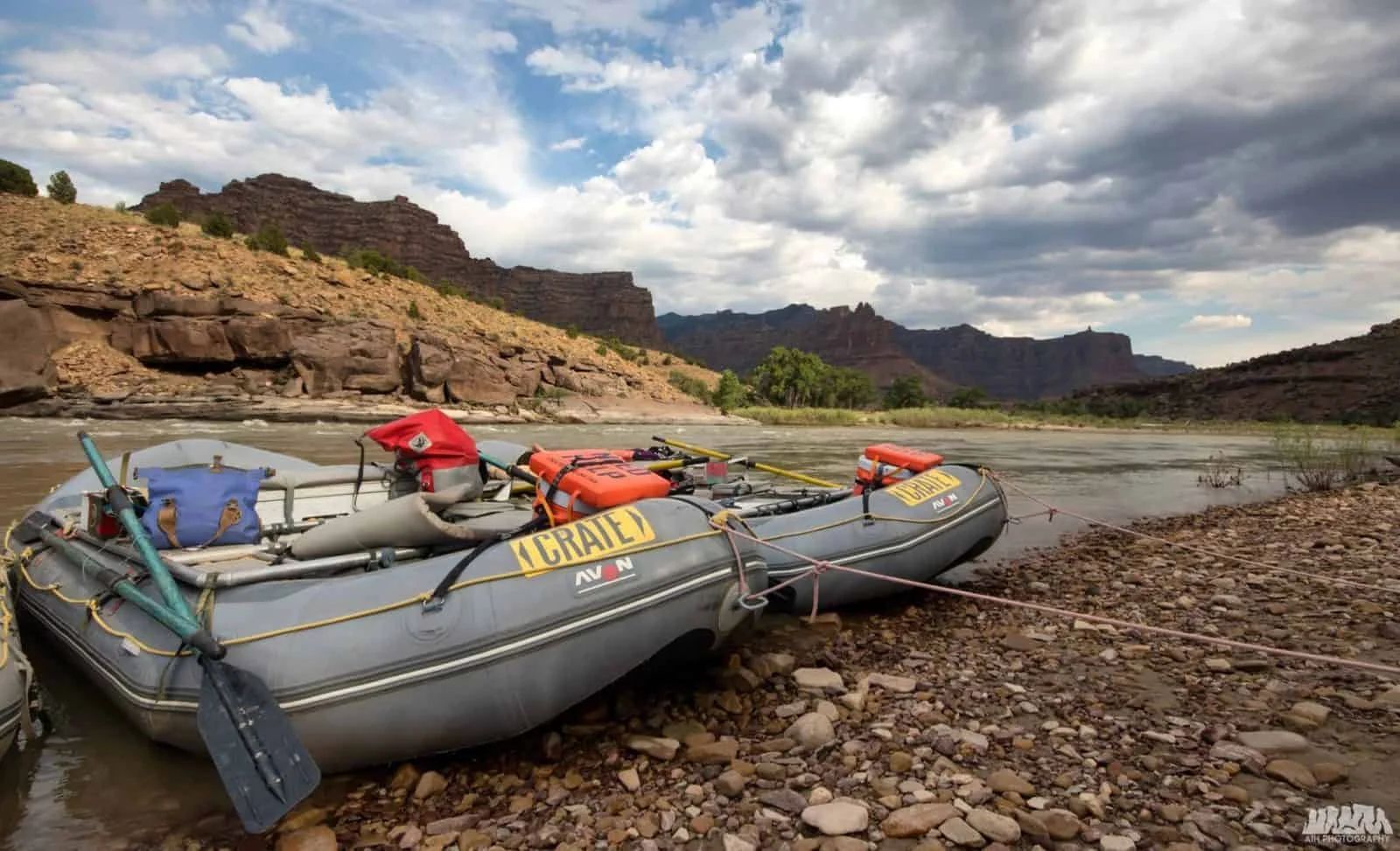
Two inflatable rafts on a rocky riverbank, brown canyon walls in the background under a cloudy sky.

Have additional questions?


Contact us: crate@crateinc.com | 1-800-253-7328

P.O. Box 57575

Salt Lake City, UT 84157-0575

www.crateinc.com

More About the FAQ – Are There Age Requirements for Rafting the Grand Canyon River?

Avon rafts camped at the confluence of the Tatshenshini and Alsek Rivers on a sunny warm day.
By Walker Mackay March 19, 2026
Grand Canyon vs. Tatshenshini–Alsek: two legendary river journeys shaped by desert and ice. Discover how each delivers a completely different wilderness experience.
Rafting on a river with mountains and glacier in background. People paddle on a raft.
By Walker Mackay March 10, 2026
The Tatshenshini River offers one of the last true wilderness rafting expeditions on Earth—glaciers, wildlife, and untouched landscapes in Alaska and Canada.
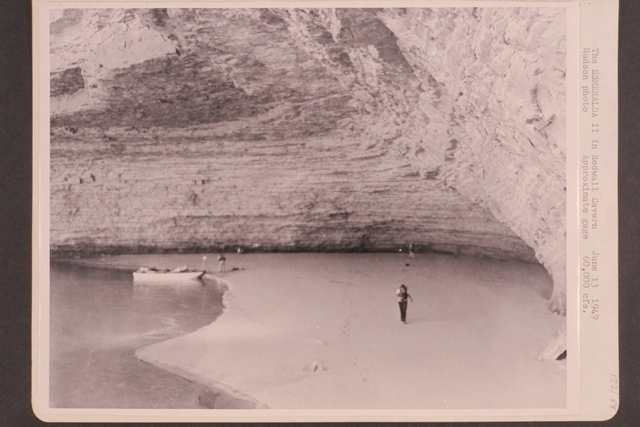
Sandy beach inside a cavern overlooks a river, with red rock canyon walls and a blue sky.
February 15, 2026
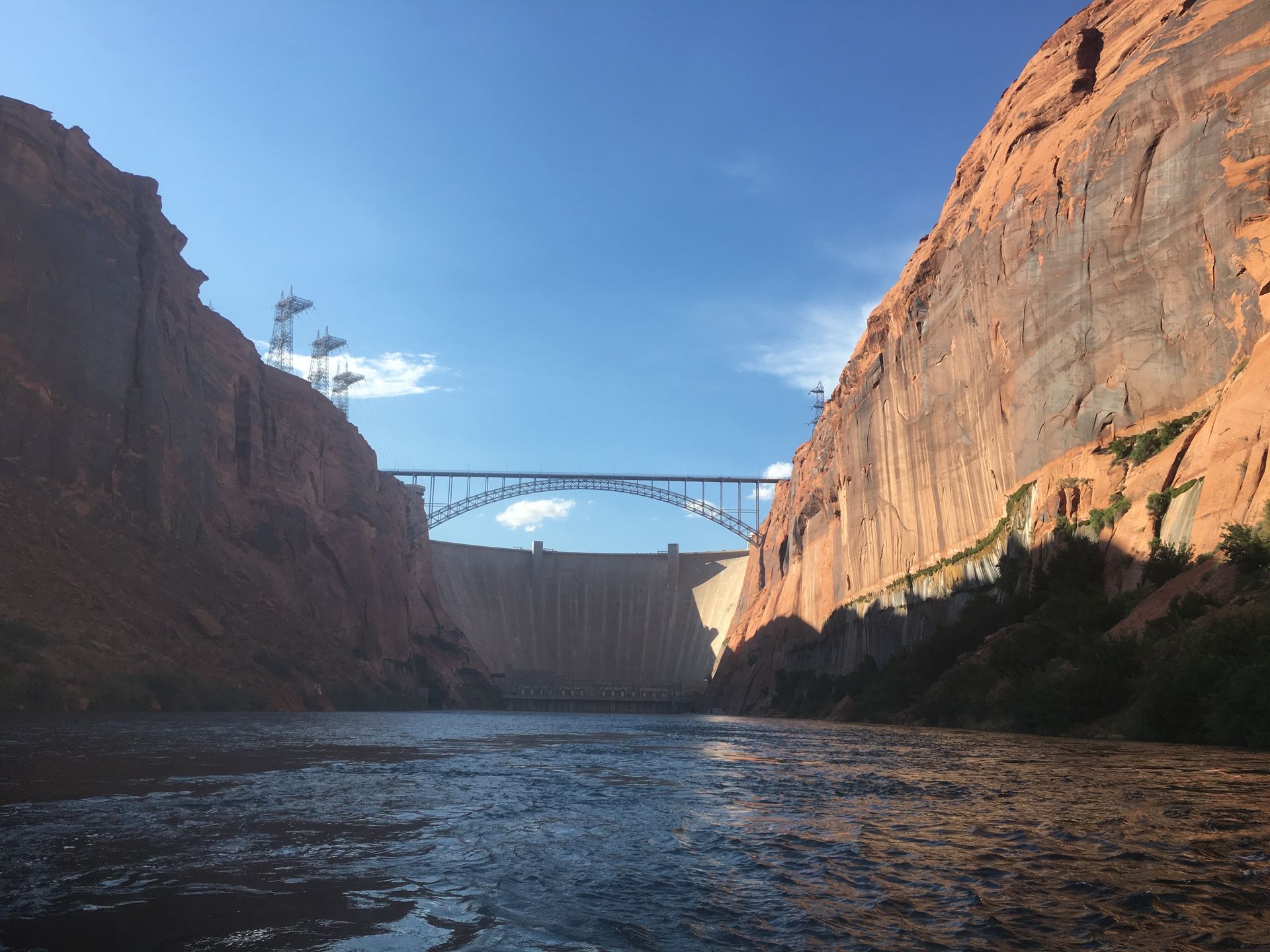
The Colorado River below Glen Canyon Dam flows through the lower reaches of Glen Canyon on its way to Lees Ferry , forming one of the most studied and discussed stretches of river in the American Southwest. Released from the base of the dam, the water is typically clear and tightly controlled. In recent years, however, lower water levels in Lake Powell have caused releases to come from shallower depths, warming the river compared to past decades and changing the conditions downstream. This reach is calm and approachable, making it a popular destination for kayaking, rafting, fishing, and flatwater exploration. Visitors often take time to linger along the banks, explore side canyons, and pull over at small beaches and alcoves—experiencing the river at an unhurried pace that encourages observation and learning.  Quick facts about this stretch of river naturally help frame why it matters: