Interesting Things You Need To Know About the Grand Canyon

Planning a vacation to Grand Canyon? Given below are some interesting things about this amazing year-round holiday destination. Increase your basic knowledge about this natural wonder and make the most of your holidays.

  • The Grand Canyon is 277 miles long and 18 miles wide


  • There are a lot of controversies related to the age of the Canyon. Earlier studies state that the Canyon is 5-6 million years old (“60-Million-Year Debate on Grand Canyon’s Age”. New York Times.)


  • A study published in journal Science in December 2012 revealed that the Grand Canyon could be as old as 70 Million years.


  • The Grand Canyon has amazing wildlife. It has approximately 70 species of mammals, 250 species of birds, and 25 different types of reptiles.


  • Of the various reptile species that are found in the park, the Grand Canyon Pink Rattlesnakes are quite interesting. They have evolved in a way that their color is similar to the rock layers around them.


  • Although first afforded Federal protection in 1893 as a Forest Reserve and later as a National Monument, Grand Canyon did not achieve National Park status until 1919, three years after the creation of the National Park Service.

The Grand Canyon is full of beautiful waterfalls hidden in its side canyons

More About the Interesting Things You Need To Know About the Grand Canyon

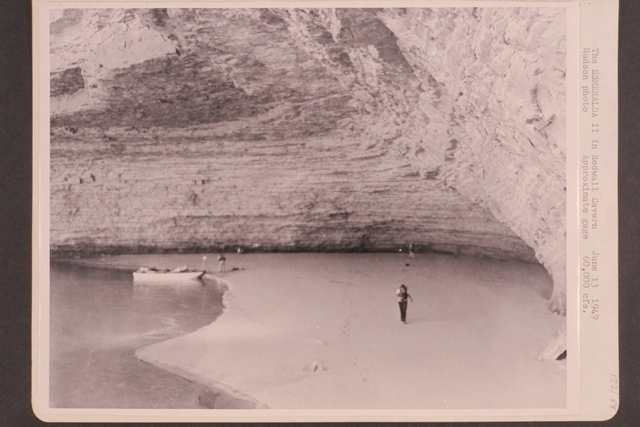
Sandy beach inside a cavern overlooks a river, with red rock canyon walls and a blue sky.
February 15, 2026
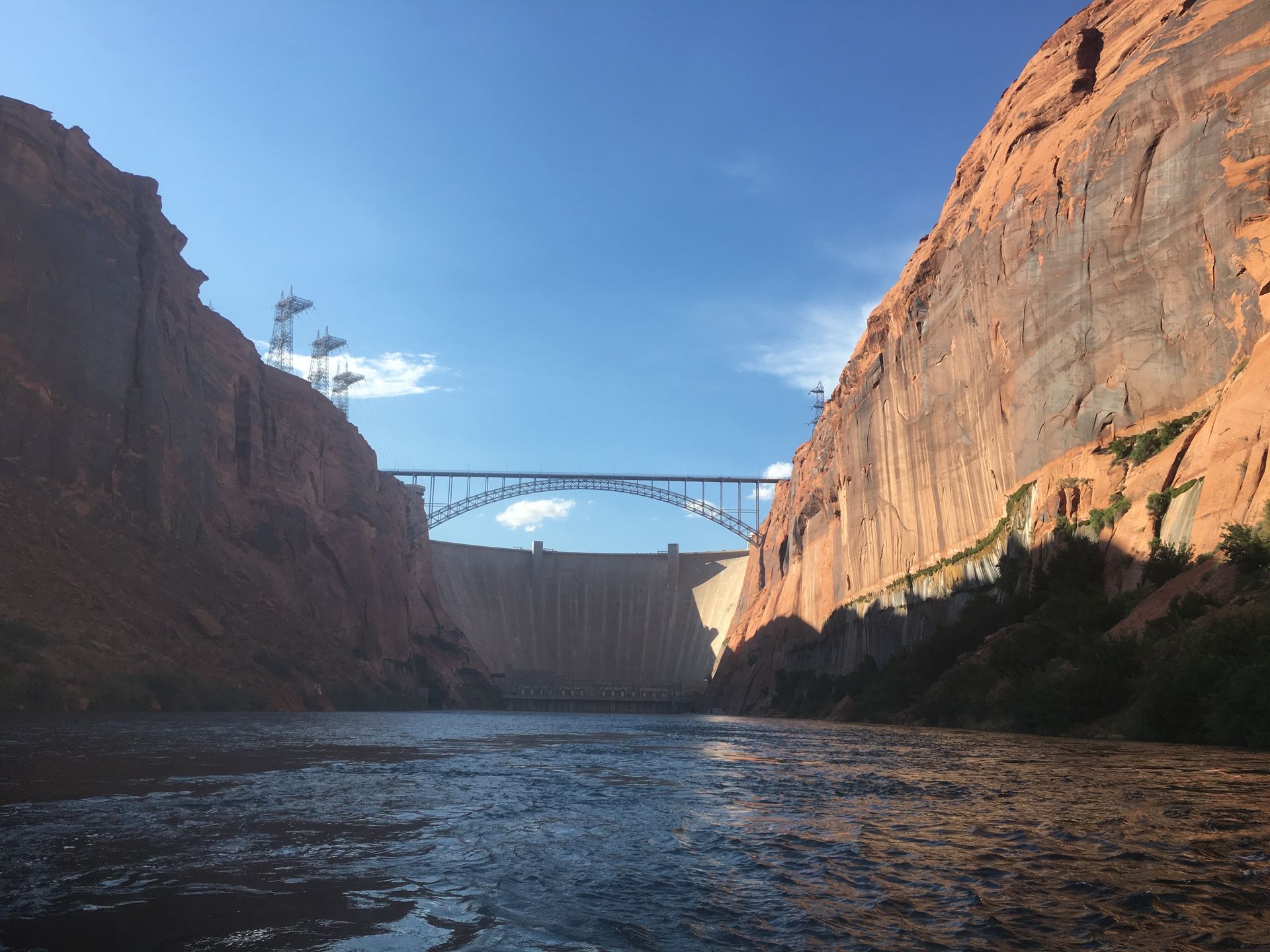
The Colorado River below Glen Canyon Dam flows through the lower reaches of Glen Canyon on its way to Lees Ferry , forming one of the most studied and discussed stretches of river in the American Southwest. Released from the base of the dam, the water is typically clear and tightly controlled. In recent years, however, lower water levels in Lake Powell have caused releases to come from shallower depths, warming the river compared to past decades and changing the conditions downstream. This reach is calm and approachable, making it a popular destination for kayaking, rafting, fishing, and flatwater exploration. Visitors often take time to linger along the banks, explore side canyons, and pull over at small beaches and alcoves—experiencing the river at an unhurried pace that encourages observation and learning.  Quick facts about this stretch of river naturally help frame why it matters:
Glen Canyon Dam with bridge and canyon walls under a blue sky. Water flows towards the dam.
February 12, 2026
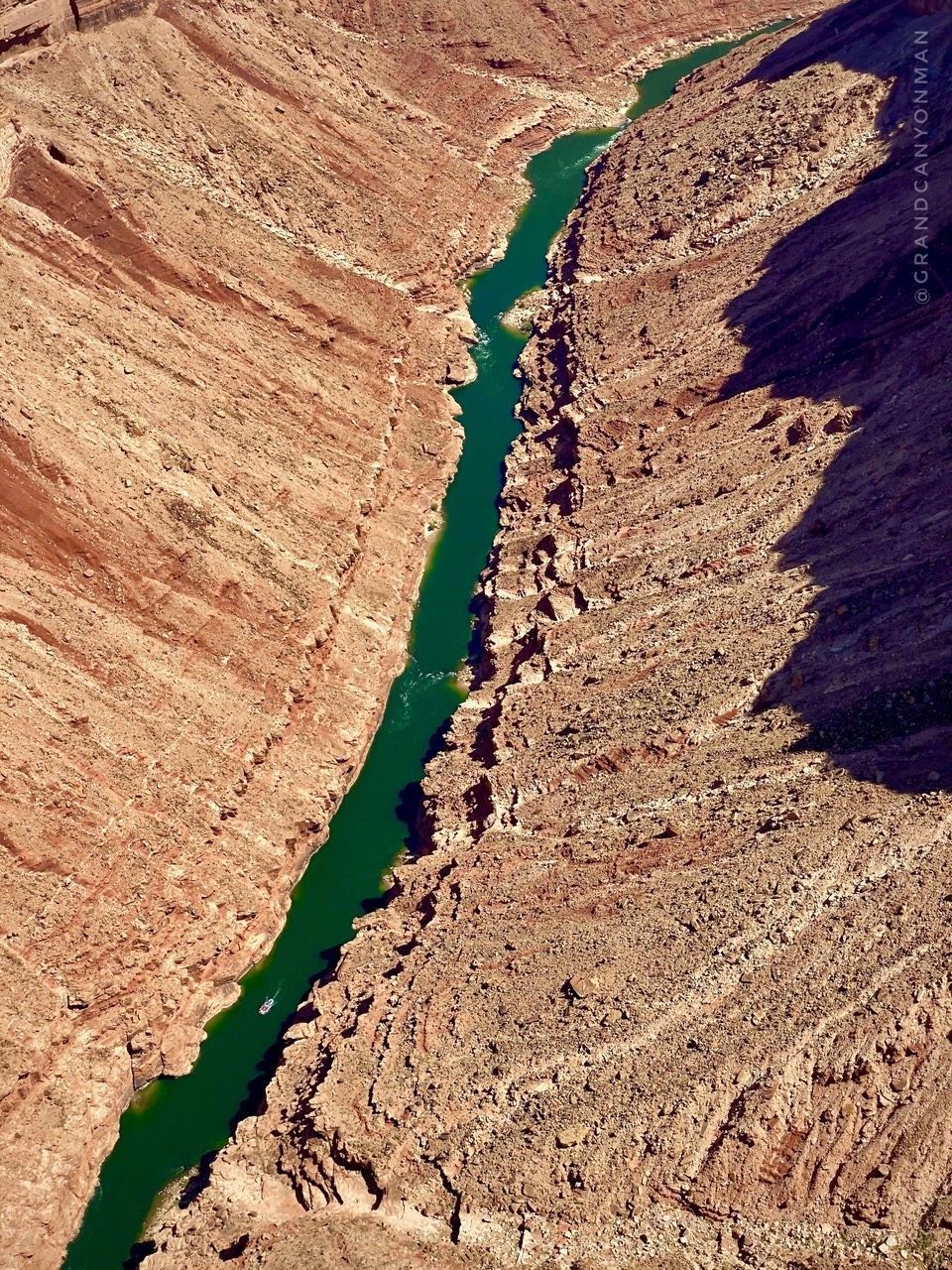
The Dirty Devil River joins the Colorado River at River Mile 169.5. John Wesley Powell camped at this confluence on July 28, 1869, describing the tributary as extremely muddy and foul-smelling. Jack Sumner later named it the Dirty Devil. The Dirty Devil is formed by the confluence of Muddy Creek and the Fremont River near present-day Hanksville, Utah. The Fremont River originates at Fish Lake and flows along the Waterpocket Fold through Capitol Reef National Park. Muddy Creek drains the San Rafael Swell. Historic Context — Powell’s Expeditions: Powell’s 1869 expedition recorded the Dirty Devil as both a geographic reference and a warning. In his later expeditions of 1871–72, Powell returned with improved boats and a scientific mandate. Tributaries such as the Dirty Devil became fixed reference points for mapping and geologic observation. Powell’s journals note the heavy silt load and poor water quality here, and his party avoided using the Dirty Devil as a water source when possible.
Camping gear on a sandy beach near a red rock wall and river under a cloudy sky.
February 12, 2026
Camping and Dining