Navigating the Rapids of Cataract Canyon: A Whitewater Guide
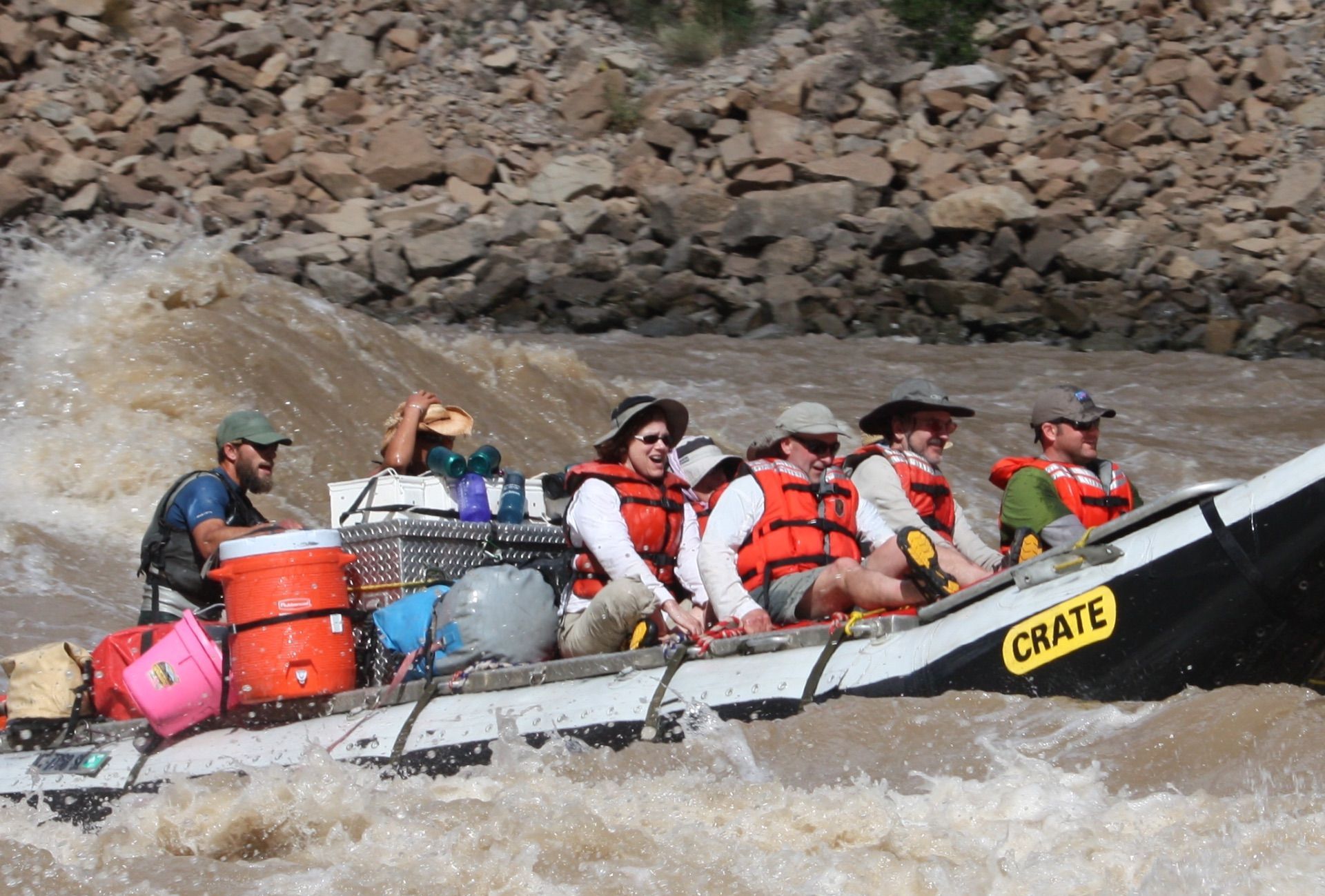
Below the confluence of the Green and Colorado Rivers, the river begins to pick up speed and rafters can hear the roar of Brown Betty, the first rapid in Cataract Canyon. Rafting through Cataract's rapids is a heart-pounding experience, especially in late May and early June when river flows tend to be highest.
For 20 miles, the river gnaws its way through 30 rapids including The North Seas, Capsize, Waterhole, Ben Hurt, and Gypsum. With features named Little Niagara and Satan's Gut, the Big Drops are the most challenging of all the rapids in Cataract Canyon.
Understanding Water Flows and Seasons
High Water (May–June): Flows can reach up to 100,000 cubic feet per second (cfs), creating monstrous waves and massive hydraulics. This is peak season for thrill-seekers who want the most intense whitewater experience.
Lower Water (Late Summer–Fall): The rapids become more technical, requiring precise navigation through rapids strewn with exposed rocks. This season offers a different kind of challenge and is preferred by experienced paddlers.
Notable Rapids and Their Characteristics
Each rapid in Cataract Canyon has its own personality and challenges. Brown Betty serves as the gateway to the excitement, while the Big Drops (Big Drop 1, 2, and 3) represent the ultimate test of skill and nerve. Understanding these rapids and their characteristics helps rafters prepare mentally and physically for the adventure ahead.
Safety and Preparation
Rafting Cataract Canyon requires respect for the power of the river. Our experienced guides understand every nuance of these rapids and know how to navigate them safely while maximizing the thrill and adventure. Proper preparation, quality equipment, and expert guidance are essential for a successful and safe journey.