
Alaska River Rafting Trips
Discover Alaska's Majestic Rivers: Glaciers, Wildlife, and Adventure Awaits
11 Day Tatshenshini Rafting Expedition
12-14 Day Alsek River Expedition
Rafting the Tatshenshini and Alsek Rivers: An Alaska Wilderness Beyond Imagination
Rafting in Southeast Alaska and Western Canada is extraordinary due to its unique combination of breathtaking landscapes, diverse wildlife, and remote wilderness experiences. Here are 10 things that set rafting the Tatshenshini and Alsek Rivers apart:
Southeast Alaska and Western Canada are home to the most dramatic glacial landscapes on Earth.
The Tatshenshini and Alsek Rivers have their headwaters in the extremely rugged regions of northwest British Columbia and Yukon. Their corridors and tributaries connect a vast wilderness composed of adjoining parks and preserves in the United States and Canada that covers more than 60,000 miles. This is the largest protected international ecological unit in the world. It contains the largest non-polar ice fiend in the world, the highest coastal mountain range in the world, and the only completely protected large river drainage system in North America. The Tatshenshini and Alsek wind through towering peaks, fjords, and valleys carved by ancient ice.
Alaska Rafting Through Untouched Wilderness
The region’s remoteness ensures a true backcountry experience. Traveling by river is the only way to see and experience the incredible biological and geographical diversity that exists within the Tatshenshini-Alsek wilderness area. From the alder and open forests of the Yukon, through the steep mountain valleys of British Columbia, to the ice fields of Alaska’s Glacier Bay, the rivers sweep through landscapes of wondrous size and designs.
UNESCO World Heritage Sites
In recognition of its extraordinary scenic and wildlife values, the Tatshenshini-Alsek wilderness area has been designated a World Heritage Site by the United Nations. It is one of the “must see” places of the world, where pristine nature still exists to excite the imagination and nourish the spirit. This designation underscores the ecological and geological importance of the region, making it a bucket-list destination for adventure seekers.
Abundant Alaska Wildlife
• The rivers are teeming with life, offering incredible opportunities to see:
• Grizzly and black bears roaming the shores.
• Spawning Salmon fighting their way upstream
• Bald eagles soaring overhead.
• Moose, mountain goats, wolverines, porcupines, foxes,and wolves in their natural habitat.
• Marine life, such as seals near river mouths.
Dynamic and Diverse Rivers
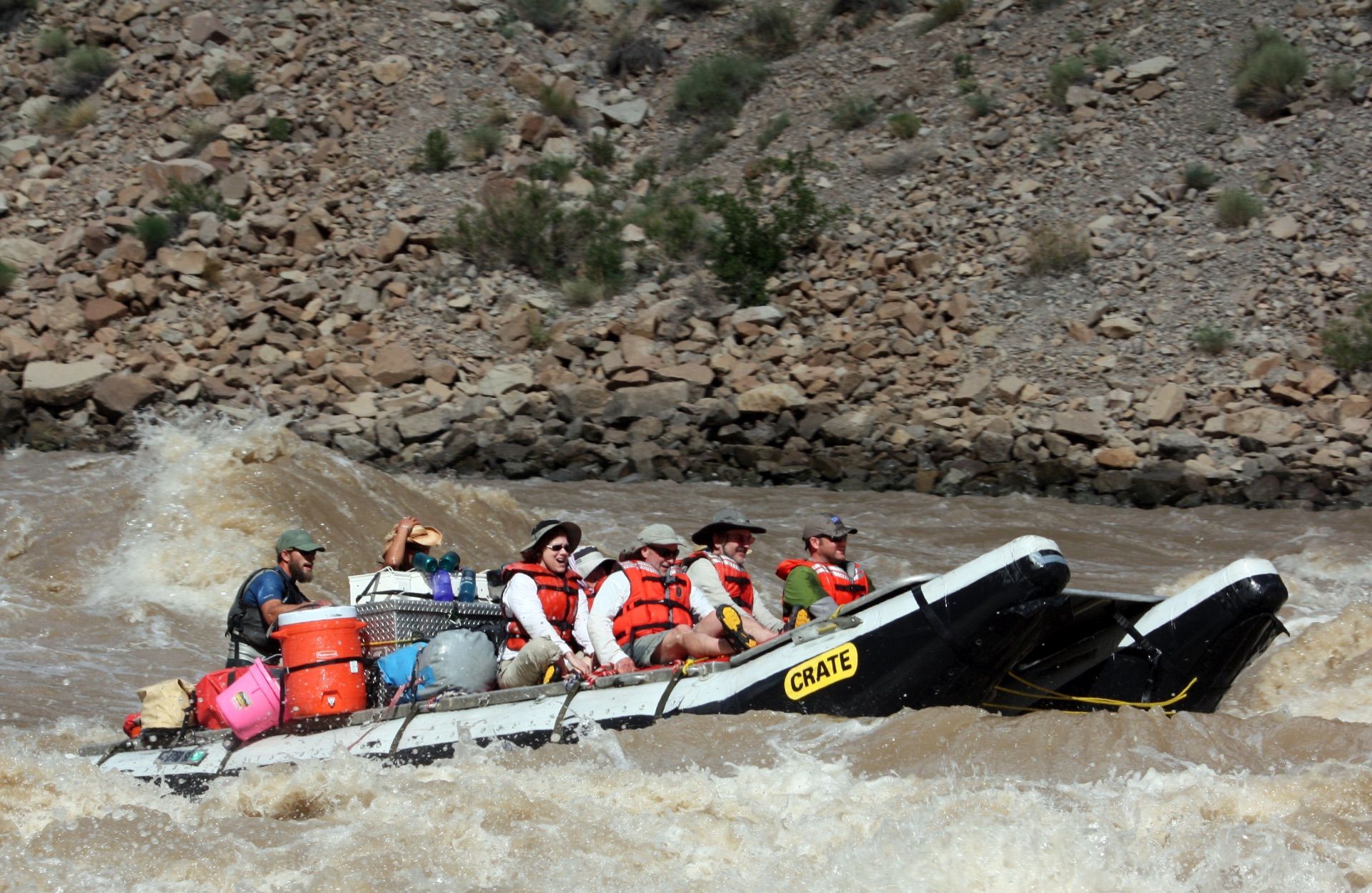
The Tatshenshini and Alsek Rivers flow through an unparalleled variety of landscapes. Because they are natural and free flowing, water conditions and levels change vastly throughout the year. They contain exciting rapids and calm lakes left by receding glaciers along their course.
Midnight Sun and Stunning Skies
During summer, the long days and endless twilight of the midnight sun create a surreal experience, with ample time to explore and enjoy the wilderness. Clear nights can reveal dazzling star displays and, if you’re lucky, glimpses of the northern lights in the early or late season.
Rich Geological Features
The geology of the Tatshenshini and Alsek Rivers is a testament to the immense forces that have shaped the Earth over millennia. Flowing through the rugged terrain of the Coast Mountains, the river cuts across a dynamic landscape of glacial valleys, sedimentary rock formations, and ancient volcanic deposits. Massive glaciers dominate much of the region, their slow but relentless movement carving U-shaped valleys and depositing moraines along the riverbanks. The rivers pass through tectonically active zones, where the collision of continental plates has uplifted towering peaks and created fault lines visible in the surrounding cliffs. This dramatic interplay of ice, rock, and tectonic activity has created a landscape that is not only breathtakingly beautiful but also a living record of geological evolution. Rafters have the rare chance to witness the powerful forces of nature shaping the land in real time. Because of global warming tributaries such as the Slims River have had large changes happen to them over the last 10 years. It is believed that in the next 30 years the Alsek River will empty into the Pacific Ocean nearly 20 miles south of its current location.
Unique Cultural and Historical Context
Southeast Alaska is steeped in Indigenous history, with the Tlingit, Haida, and Tsimshian peoples having a deep connection to the land and rivers. The area also has ties to historical gold rushes and exploration, adding a sense of adventure and discovery to every trip.
Unpredictable Adventure
The ever-changing weather, river conditions, and wilderness encounters create a sense of unpredictability that keeps every moment exciting. Rafters often describe the experience as a transformative journey, challenging their skills and immersing them in raw, untamed beauty.
Eco-Tourism and Conservation Focus
All of our Alaska river rafting trips include education about the region’s ecosystems and environment, making the adventure both thrilling and meaningful. Our trips are designed with sustainability in mind, allowing travelers to connect deeply with nature while minimizing their environmental impact.
More About the Alaska River Rafting Trips