Colorado River Beyond The Daily Section To Potash (River Mile)
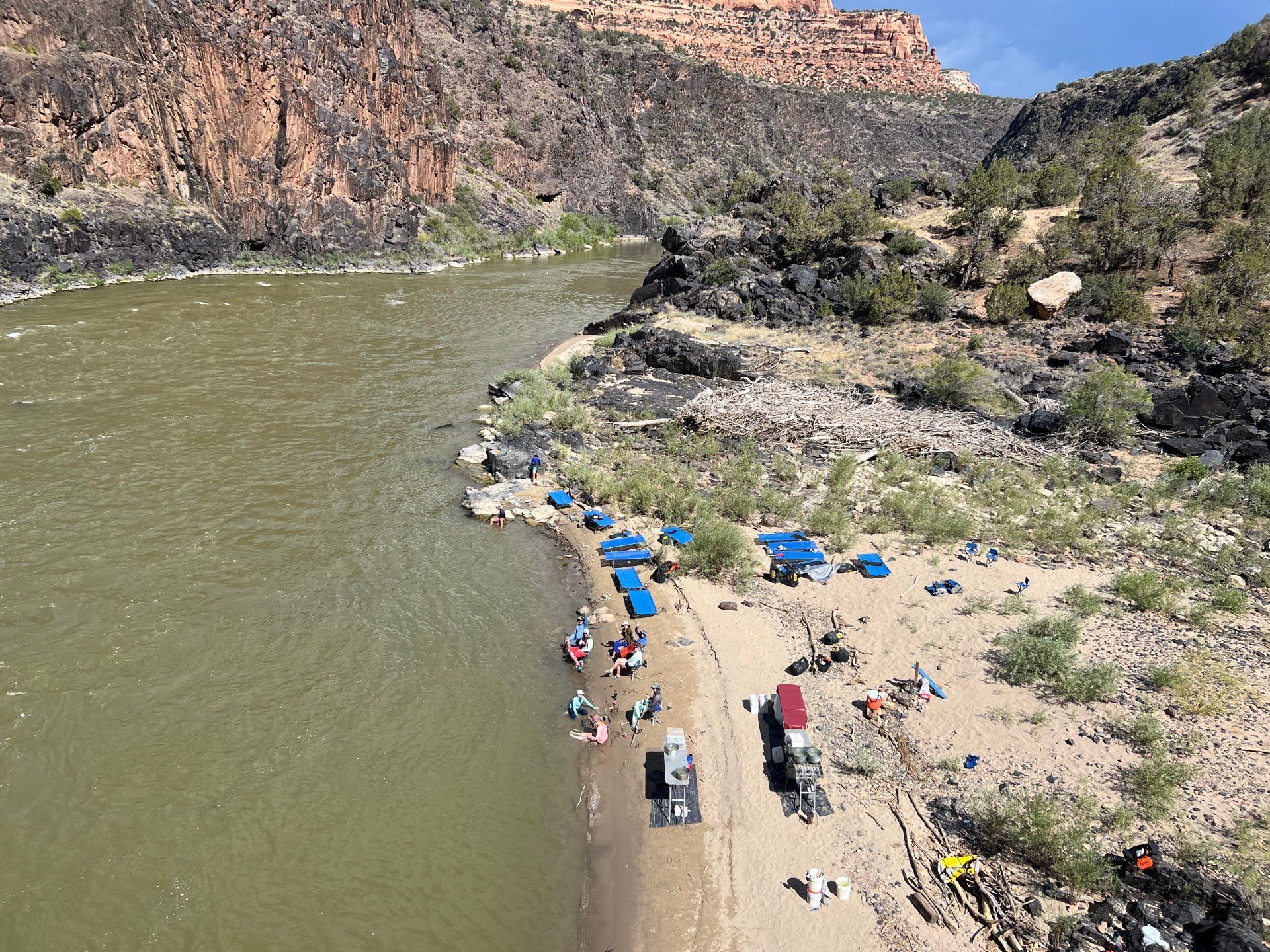
As theColorado Riverflows beyond the Moab Daily section, it enters a stunningly scenic stretch that winds through the Moab Valley, past the Scott M. Matheson Wetlands Preserve, and into The Portal, where towering sandstone cliffs mark the gateway to Canyonlands. This section of the Colorado River is known for its calm waters, breathtaking red rock scenery, and fascinating geological features, making it a great extension for those looking to explore more of the river.
What to Expect on This Section of the Colorado River
A Scenic, Tranquil Float – Unlike the rapids found upstream, this section of the Colorado River is mostly calm, offering an ideal opportunity to relax and take in the surrounding beauty.
Scott M. Matheson Wetlands Preserve– This lush river oasis is home to a variety of bird species and other desert wildlife, making it a must-see for nature lovers.
“Wall Street” Sandstone Cliffs– A world-famous rock climbing destination, these towering cliffs rise dramatically from the banks of the Colorado River, offering stunning views and thrilling challenges for climbers.
Iconic Desert Landscapes– As the river approaches Potash, rafters are treated to panoramic views of the La Sal Mountains, jagged red rock formations, and the dramatic canyon walls leading toward the confluence with the Green River.
Gateway to Canyonlands– This section leads toward Canyonlands National Park, where the Colorado River meets the Green River, setting the stage for more adventurous rafting trips like Cataract Canyon.
Who Should Explore This Stretch of the Colorado River?
Nature & Wildlife Enthusiasts– A peaceful float through lush wetlands and desert terrain, perfect for spotting native wildlife.
Rock Climbers & Outdoor Adventurers– A chance to experience the famous Wall Street cliffs from the river or stop for a climb.
Paddleboarders & Kayakers– The gentle flow makes it an excellent section for paddleboarding, canoeing, and kayaking.
Scenic Rafters– A great option for those looking to experience a laid-back stretch of Colorado River rafting without intense rapids.