⛺4-Day Cataract Canyon Rafting Adventure– A thrilling journey through the heart of Canyonlands National Park, packed with whitewater excitement and stunning scenery.
🚣6-Day Cataract Canyon Rafting Expedition – A more immersive trip with extra time for hiking, exploring ancient ruins, and soaking in the beauty of Cataract Canyon.
🥾7-Day Spring Special: Cataract Canyon Rafting & Hiking – A unique springtime adventure with extended off-river hikes and and hidden side canyons.
1. Big Water, Big Rapids
Cataract Canyon is home to some of the most powerful whitewater on theColorado River, especially during peak runoff. With around 30 rapids packed into a 14-mile stretch, this section delivers intense Class III-V whitewater, making it one of the most exhilarating rafting experiences in North America. Rapids like Big Drops 1, 2, and 3, Capsize, Mile Long, and Satan’s Gut promise heart-pounding adventure.
High Water (May–June): Flows can reach up to 100,000 cubic feet per second (cfs), creating monstrous waves and massive hydraulics.
Lower Water (Late Summer–Fall): The rapids become more technical, requiring precise navigation through rapids strewn with exposed rocks.
2. Spectacular Scenery & Geological Wonders
Cataract Canyon cuts through the breathtaking landscapes of Canyonlands National Park, offering some of the most stunning desert scenery in the Southwest. As you raft through this remote canyon, you’ll see:
Towering red rock cliffs and dramatic sandstone formations
Hidden waterfalls that only flow during the Spring or after a monsoon rain.
The Confluence of the Green and Colorado Rivers, first mapped by John Wesley Powell in 1869
Panoramic views from hikes to The Loop and The Doll’s House
3. Rich History & Ancient Ruins
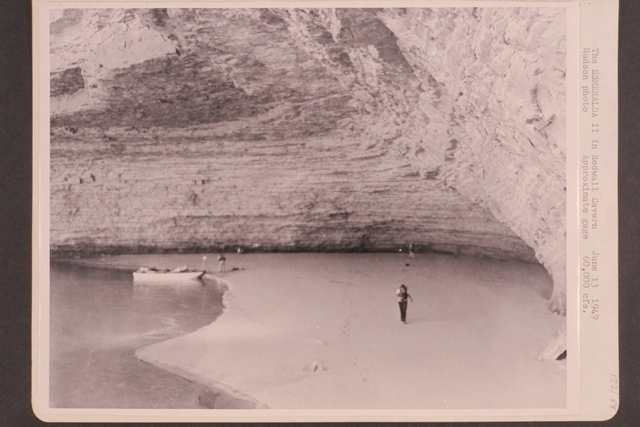
This stretch of the Colorado River has a deep historical and cultural significance. Along the way, you’ll discover:
🏺 Ancestral Puebloan ruins and pictographs. 🛶 The historic route of John Wesley Powell’s 1869 expedition, the first recorded descent of Cataract Canyon ⛺ Historic inscriptions from past river runners, surveyors, and trappers.
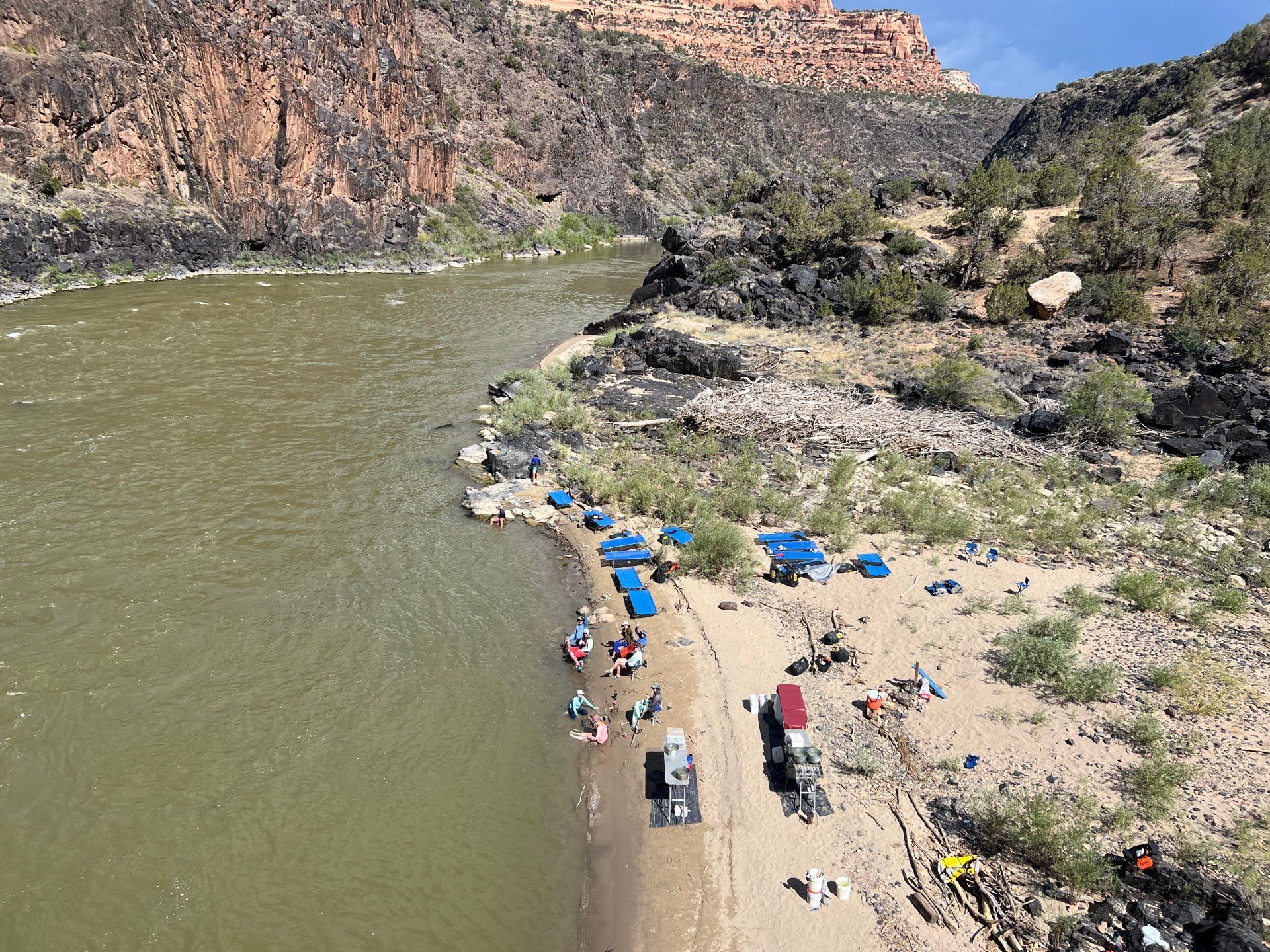
4. Multi-Day Adventure with Riverside Camping
Why Choose Cataract Canyon for Your Colorado River Rafting Adventure?
Legendary Whitewater– Some of the biggest rapids on the Colorado River.
Breathtaking Scenery– Raft through the stunning canyons of Canyonlands National Park.
Rich History & Exploration– Follow in the footsteps of John Wesley Powell and explore ancient ruins.
The Ultimate Multi-Day Experience– Combine whitewater thrills with hiking, camping, and relaxation.
Whether you want to experience the rapids during high-water or a scenic multi-day rafting and hiking experience, Cataract Canyon is an unforgettable way to explore the Colorado River, and the best way to see Canyonlands National Park.