By Walker Mackay
For me it was fate. I was lucky enough to have been born into a rafting business. My Dad (David Mackay) was a gym rat after returning home from Vietnam, and one of the guys he played handball with was Jack Currey. Jack had recently started a river running company and was actively looking for guides. My Dad took him up on his offer to go see what the river was about, and after rafting through the Grand Canyon my Dad didn’t wanted to do anything else.
He started working for Jack in 1965. And met my Mom (Vicki) on a Grand Canyon river trip in 1968. She worked at the Los Angeles airport and had noticed an ad hung up in the airport about the opportunity to raft the
Colorado River. She immediately talked to her friend and decided that if they did the trip they would definitely reach one of their lifelong goals as 21 year olds to make the Los Angeles Airport Newsletter. For their trip they decided to hike in at Phantom Ranch. The trip was composed of boy scouts and them. And as my fate would have it my Dad was a boatman on the trip.
My Dad continued to work for Jack until 1971. At that point in time
Grand Canyon National Park decided they were going to stop issuing commercial river permits for the Colorado River in Grand Canyon. My Mom and Dad were fortunate enough to get one of the last commercial permits given out by Grand Canyon. They started Colorado River & Trail Expeditions(CRATE) and did their best to build up use, as the permits were issued based on the number of passengers each company took down in 1971. In the 1970s we had an average size permit in Grand Canyon. Today we are the smallest outfitter in Grand Canyon because every company smaller than us has been bought by someone bigger.
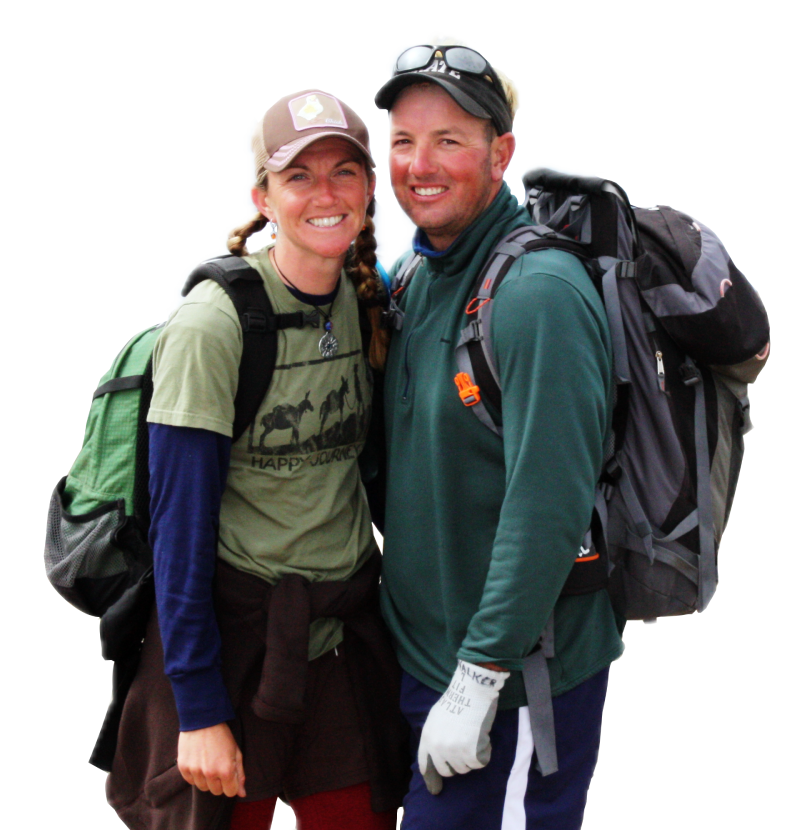
I was born in 1976, did a 21 day river trip on the Noatak River of Alaska at age 2, and did my first Grand Canyon raft trip in 1985. I grew up in the river business and started guiding trips in 1995. My wife and I got married on the rim of the Grand Canyon with the river below in 2003, and formed a dynamic team running trips together for 8 years before having kids. Today I have accumulated somewhere around 150 trips through the Grand Canyon with another 100 trips on others sections of river. Most of those trips are on motorized rafts, but I also have ran dories, oar boats, paddle rafts, kayaks, inflatable kayaks, and river boards through the rapids of Grand Canyon. I love the place and feel incredibly lucky to have been born as a river guide. CRATE is a family and veteran owned business with my Dad, Mom, Sister, Wife, and I all playing a part in its success on a daily basis.