
8-Reasons the Grand Canyon is the most sought-after rafting destination in the world:
1. The Geology
Unparalleled Rock Layers: The
Grand Canyon exposes nearly two billion years of Earth’s history through its stunning stratified rock formations. No other place allows rafters to see such a complete and dramatic geological story in action.
2. The Rapids
- Thrilling Challenges: The Colorado River features some of the most famous and exciting rapids in the world, such as Lava Falls, Crystal, and Hermit.
- Unique Rapids Grading System: Unlike the traditional international Class I-V scale, Grand Canyon rapids are rated from 1 to 10, creating a unique allure for rafters.
3. Scenic Grandeur
- Immense Scale: The sheer size of the canyon—277 miles long, up to 18 miles wide, and over a mile deep—creates an experience unlike any other.
- Breathtaking Vistas: Towering cliffs, hidden waterfalls, and surreal colors at sunrise and sunset add to the magic of the journey.
- Side Canyons and Features:
Stunning locations like Elves Chasm, Havasu Canyon, and Deer Creek Falls provide incredible opportunities for exploration.
4. Wilderness Adventure
- Isolation: Once you’re on the river, you’re truly disconnected from the outside world, offering a rare opportunity for solitude and immersion in nature.
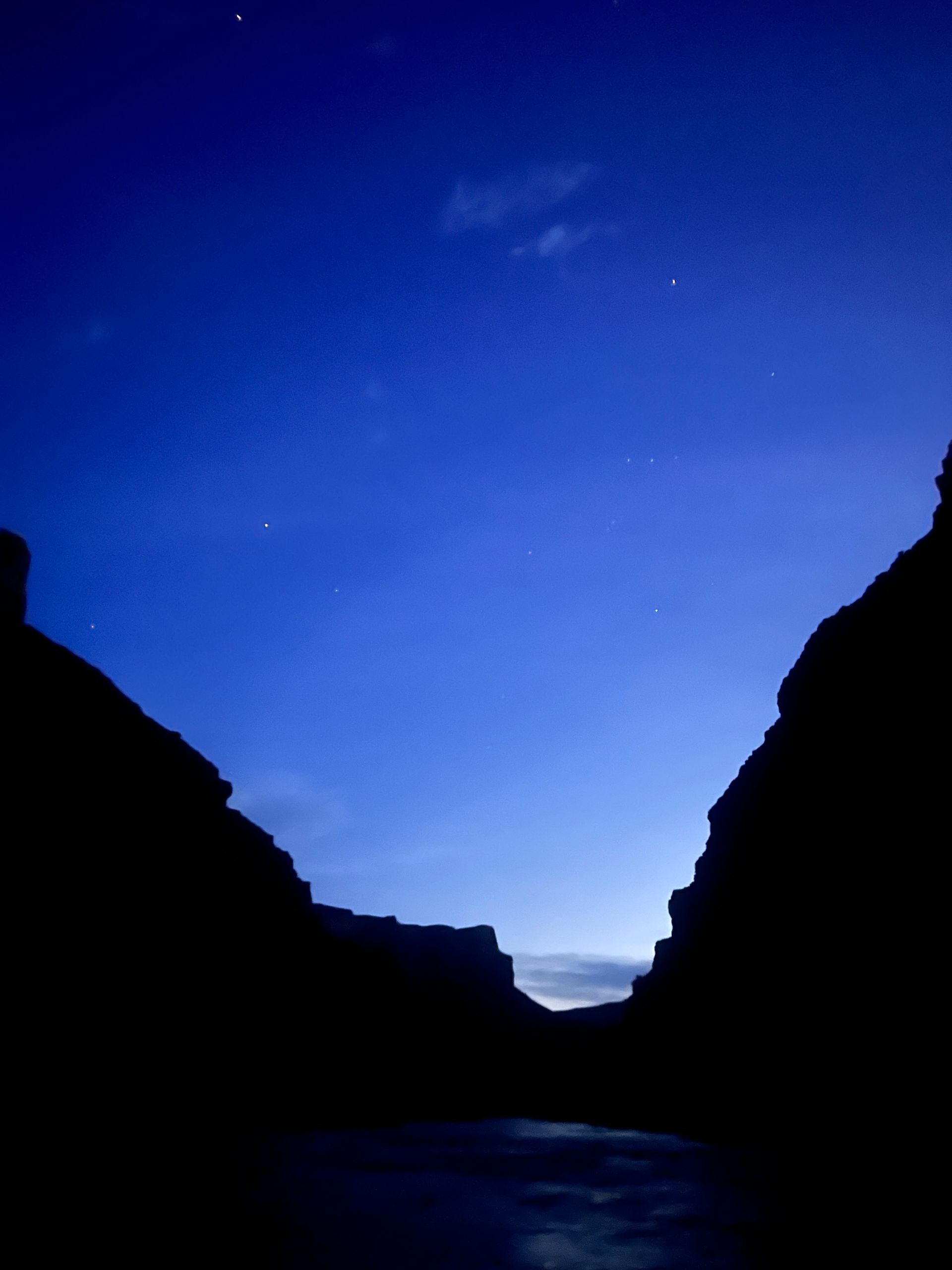
- Starry Skies: Few places rival the Grand Canyon for stargazing. Spending nights beneath the Milky Way in such a remote setting is unforgettable.
5. Indigenous Peoples
- Cultural History:
The Grand Canyon is not only a natural wonder but also a sacred place deeply intertwined with the histories, cultures, and identities of the Indigenous peoples who have called it home for thousands of years. Tribes such as the Havasupai, Hopi, Navajo, Paiute, Zuni, and Hualapai, among others, hold profound spiritual connections to the canyon, viewing it as a place of origin, a source of life, and a bridge to their ancestors. The intricate petroglyphs, ancient dwellings, and trails that weave through the canyon are testaments to their enduring presence and deep understanding of this land. For these communities, the Grand Canyon is more than breathtaking vistas; it is a living, sacred entity imbued with stories, lessons, and meaning. As stewards of the canyon, they remind us of the importance of respect, sustainability, and harmony with the natural world, offering invaluable perspectives that enrich the experience of all who visit this extraordinary place.
6. A Journey Through Time
- Dynamic Landscapes: The river constantly changes, with seasonal flow variations related to the operation of Glen Canyon Dam changing the character of individual rapids.
- Living Geology:
The Grand Canyon’s evolving landscape, such as new rapids forming after flash floods, is a testament to nature’s power in action.
7 The Bonding Experience
- Community on the River: Sharing this adventure with others—whether friends, family, or strangers—creates deep, lasting connections.
- Guide Expertise:
Experienced guides bring the trip to life with their knowledge of geology, history, and folklore, making the journey even more enriching.
8. Accessibility for All Types of Adventurers
- Diverse Trip Options: From motorized rafting for quicker trips to oar-powered journeys for those seeking a traditional experience, the Grand Canyon has something for everyone.
- Flexible Durations:
Trips range from 3 days to over 2 weeks, accommodating all schedules and levels of commitment.
More About the 8-Reasons the Grand Canyon is the most sought-after rafting destination in the world:
By Colorado River & Trail Expeditions
•
July 7, 2026
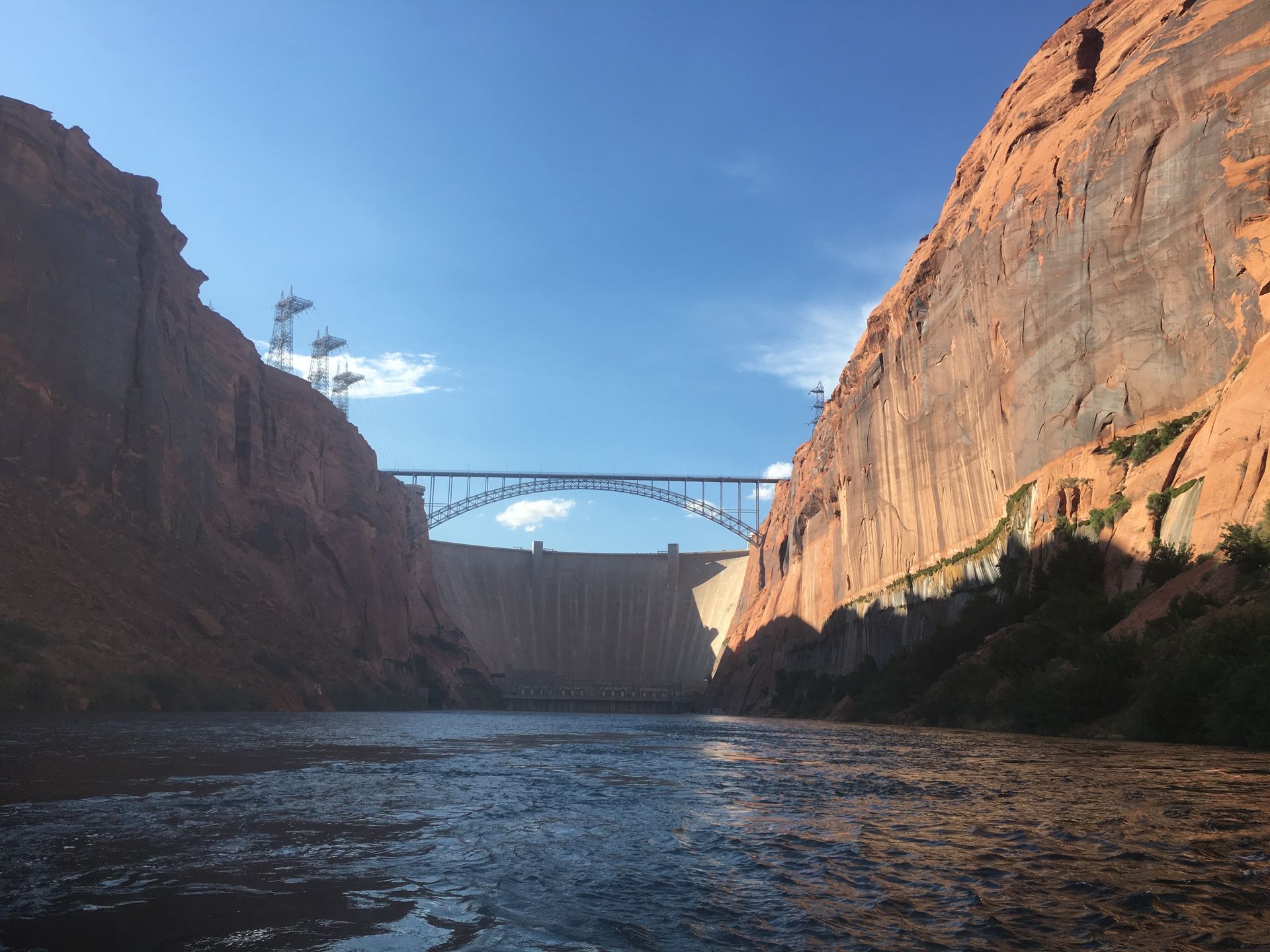
A view of Glen Canyon Dam.
By Walker Mackay
•
June 1, 2026
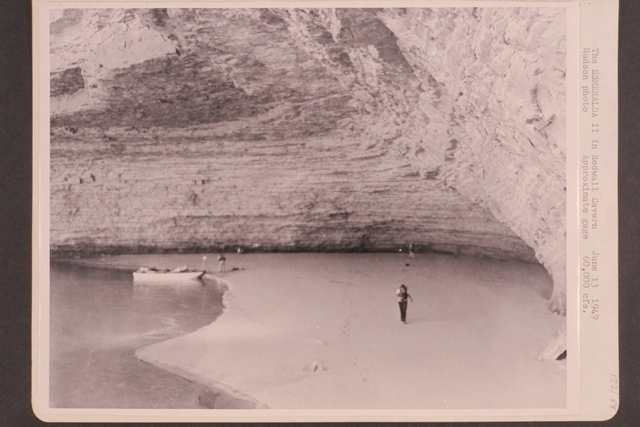
The First Motorized boat trip through the Grand Canyon.
By Walker Mackay
•
May 6, 2026
A professional grand canyon rafting guides account of making coffee in the morning on a rafting trip.