Packing Guide

When we confirm your reservation, we will send you a detailed clothing and equipment list appropriate for the expedition you have selected. In general, river apparel should be worn in layers that are easy to put on and take off, as weather conditions can change throughout the day. We recommend lightweight, warm, quick-drying fabrics such as nylon, polyester blends, capilene, or microfleece, which dry quickly, wick moisture, and remain comfortable when wet.


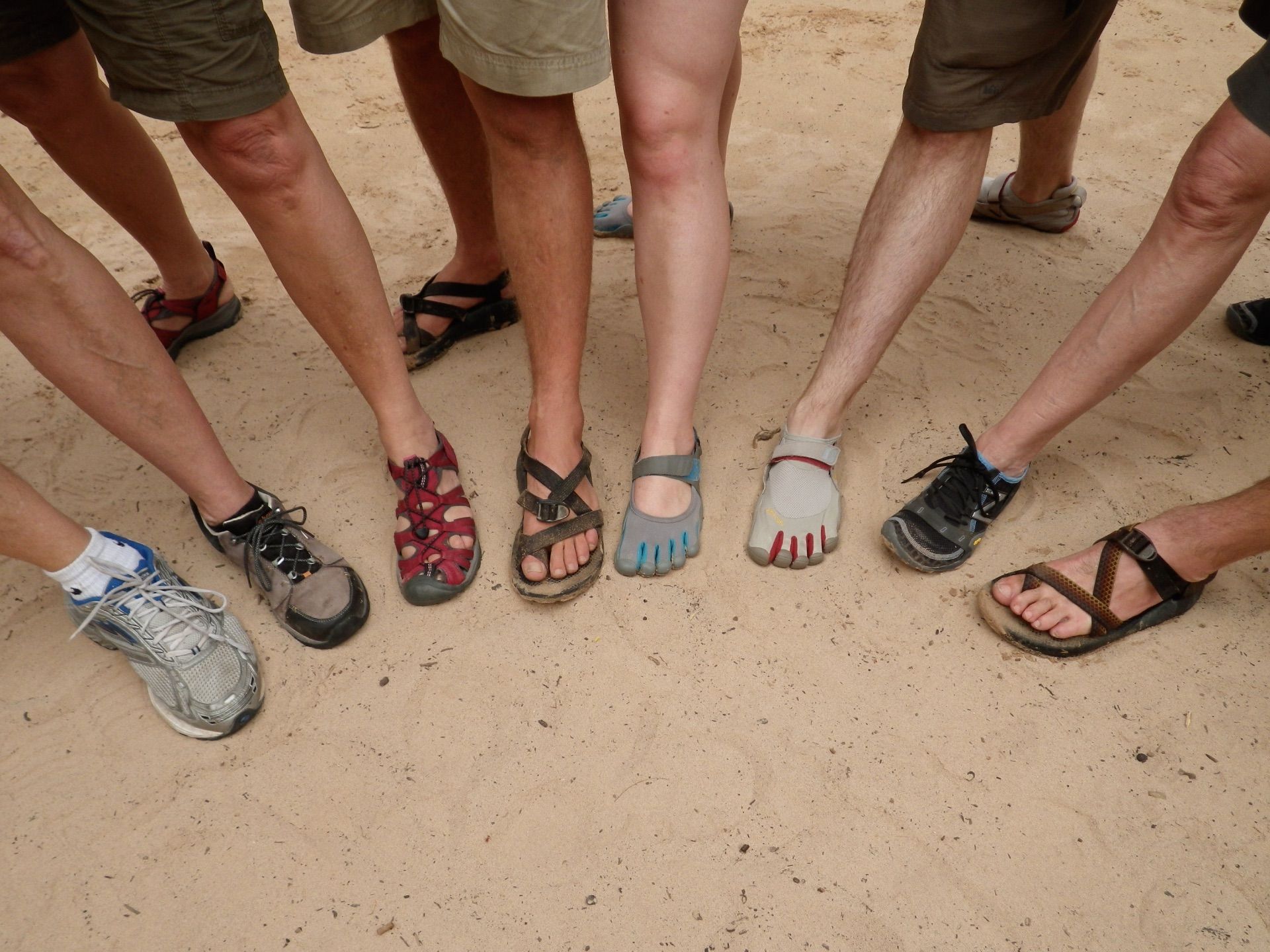
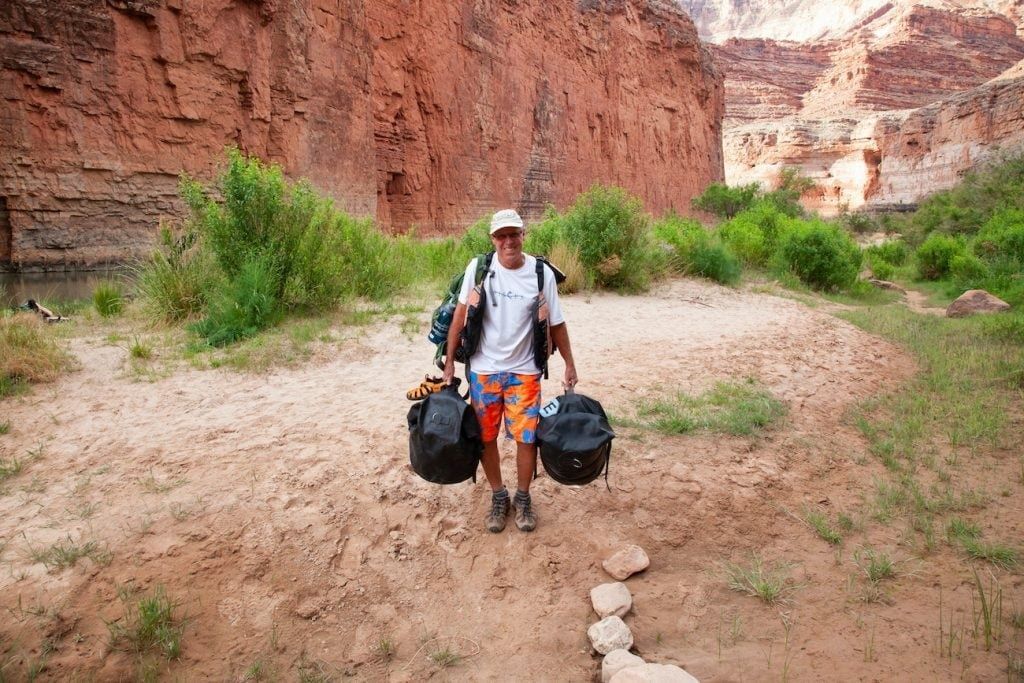
Clothing should be loose fitting and comfortable if wet. Many guests wear a bathing suit under shorts and a lightweight shirt, with long pants or long-sleeved shirts for additional sun protection. Waterproof sandals with secure straps or rubber-soled shoes work well on the raft and during wet hikes, while supportive footwear is optional. Sun protection, rain gear, and a warm layer are strongly recommended for most trips.

Packing List

River Sandals
River Sandals

Such as those made by Chaco, Teva, and Keen, to wear on the raft and on “wet” hikes. Choose those with comfortable fit, good fasteners, and non-slip soles.

Hiking Boots
Hiking Boots / Shoes

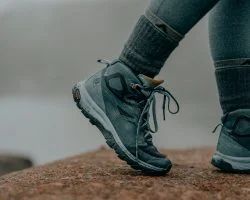
Most hikes can be completed in sandals or athletic shoes; hiking boots or lightweight, water-resilient footwear are optional for those who prefer extra support and protection.

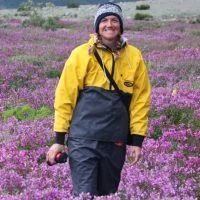
Rain Suit
Rain Suit

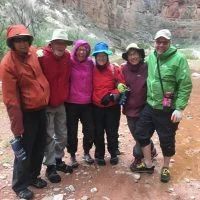
Two-piece, high-quality waterproof rain jacket and pants with hood and secure closures to prevent water seepage; used for protection from storms, cold splash, and rapids, especially in cooler or shaded conditions.

Quick Dry Clothing
Quick Dry Clothing

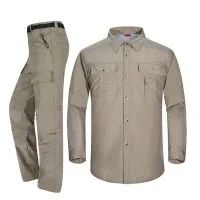
Long or short-sleeved shirts and shorts or pants made of fast-drying fabric; can be worn over a bathing suit. Long sleeves and pants offer greater sun protection.

Sarong or Wrap
Sarong or Wrap

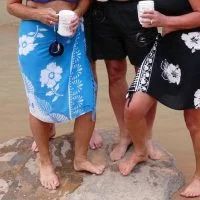
Sarongs can be great for multiple uses. Cover-up on the raft in you’re getting too much sun, get it wet and cool yourself off, or wear it around camp.

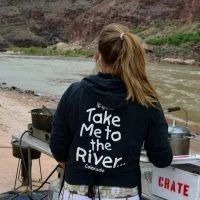
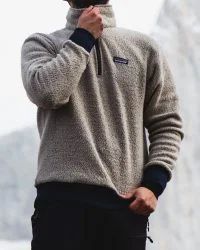
Sweatshirt or Light Fleece

A warm layer recommended for cool mornings, evenings, or shoulder-season trips, especially in early spring or autumn.

Hat
Hat

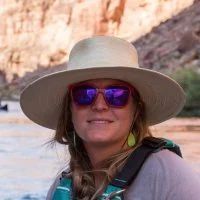
Bring a hat with a large brim for sun protection. Make sure your hat has a tie to prevent it from blowing off in the wind and being washed off in the rapids.

Sun Protection
Sun Protection

Sun block, sun screen, lip balm, etc.

Sun Glasses
Sun Glasses

Make sure to secure your sunglasses with a strap. It’s always a good idea to bring a back up pair.

Day Pack
Day Pack

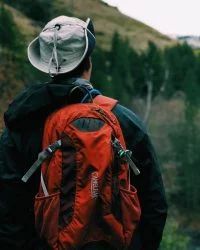
For off-river hiking excursions. Packs should fit a sack lunch, a water bottle, camera & film, and extra clothing and/or rain jacket.

Bathing Suit
Bathing Suit

A bathing suit may be worn under shorts and a loose, lightweight shirt, or replaced with shorts and a shirt made of quick-drying fabric.

High Quality Rain Suit

High quality, completely waterproof rain jacket and pants with hood and closures so water cannot seep in. You should We recommend Grunden’s Petrus Collection.

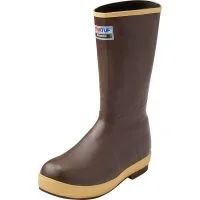
Rubber Boots
Rubber Boots

Calf-high, flexible rubber boots such as “Xtra-tuf.” You will practically live in these boots. Removable insoles will secure the fit and add insulation.

Thermal Underwear
Thermal Underwear

Several sets of “expedition weight” polypropylene shirts and pants to wear under your clothing next to your skin.

Woolens or Synthetic Fleece

Warm fleece or wool hat, socks, pants, shirt, sweater, pullover and jacket. What you should have is a set of clothing that will maintain thermal qualities even if wet; clothing that you can layer for warmth and then take off when it gets too warm!

Warm Jacket
Warm Jacket

Stuffable, synthetic fabric (down-filled jackets are useless if wet).

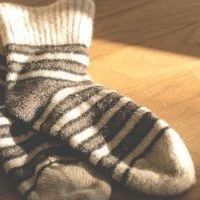
Socks
Socks

Wool or synthetic blends to wear with your rubber boots (ex Smart Wool). You may also like thin synthetic “liner” socks to wear under thicker ones.

Grand Canyon | Cataract Canyon | Desolation Canyon

Clothing Tip: You will be most comfortable in loose fitting clothing that is made from lightweight and quick-drying fabrics. Consider fabrics such as capilene, microfleece, and nylon-polyester blends, that work well with a layering system. These fabrics dry quickly, wick away moisture, and keep you warm even if they are wet. If the air temperature is cool-to-cold, it can be very cold in the rapids and warm clothing will be appreciated.

More About the Packing Guide

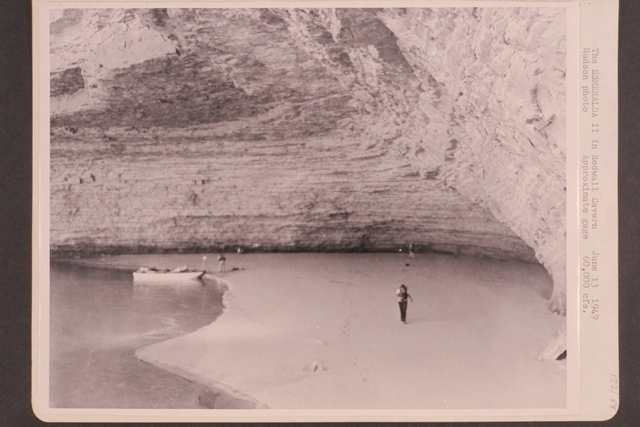
Sandy beach inside a cavern overlooks a river, with red rock canyon walls and a blue sky.
February 15, 2026
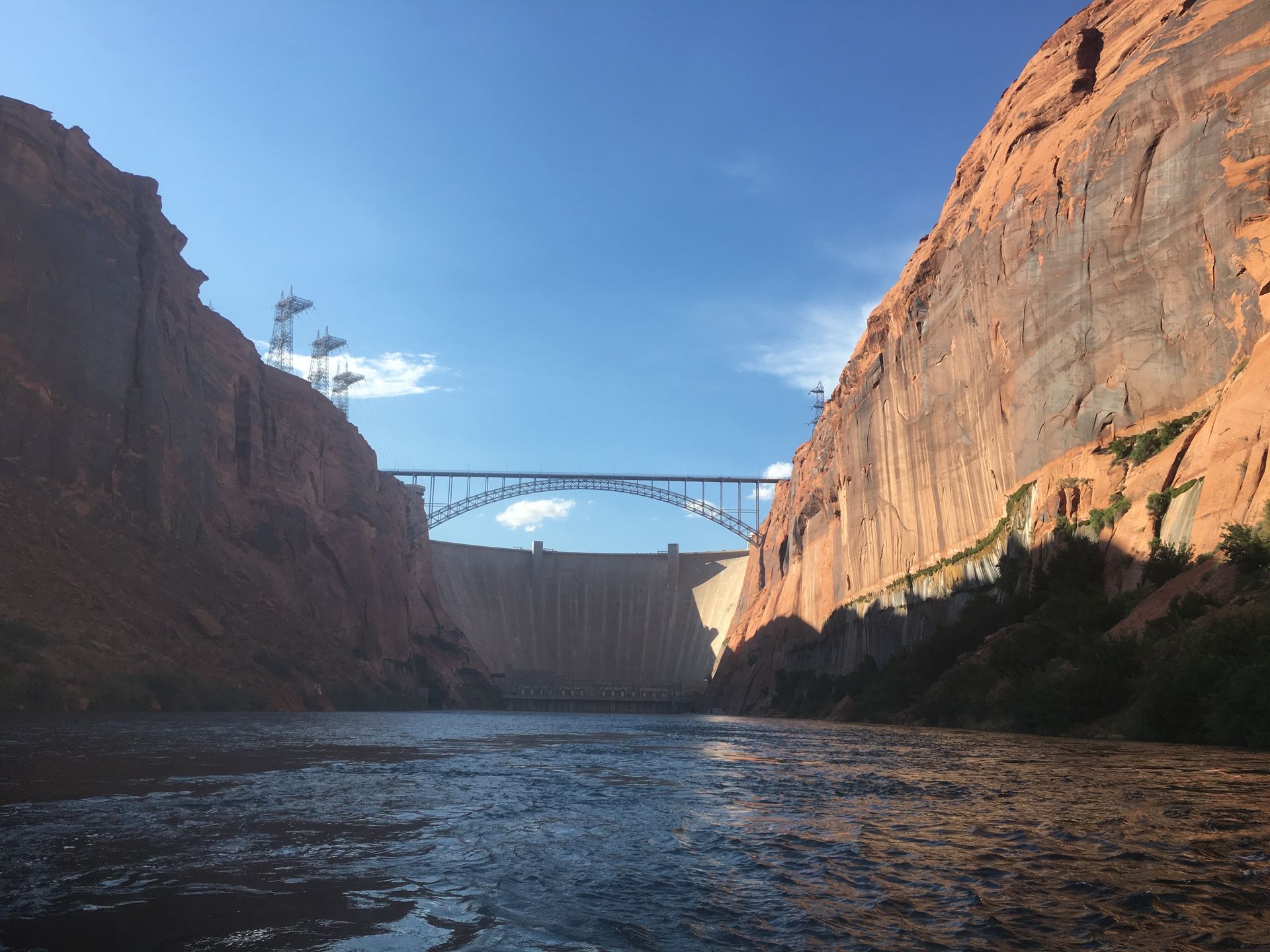
The Colorado River below Glen Canyon Dam flows through the lower reaches of Glen Canyon on its way to Lees Ferry , forming one of the most studied and discussed stretches of river in the American Southwest. Released from the base of the dam, the water is typically clear and tightly controlled. In recent years, however, lower water levels in Lake Powell have caused releases to come from shallower depths, warming the river compared to past decades and changing the conditions downstream. This reach is calm and approachable, making it a popular destination for kayaking, rafting, fishing, and flatwater exploration. Visitors often take time to linger along the banks, explore side canyons, and pull over at small beaches and alcoves—experiencing the river at an unhurried pace that encourages observation and learning.  Quick facts about this stretch of river naturally help frame why it matters:
Glen Canyon Dam with bridge and canyon walls under a blue sky. Water flows towards the dam.
February 12, 2026
The Dirty Devil River joins the Colorado River at River Mile 169.5. John Wesley Powell camped at this confluence on July 28, 1869, describing the tributary as extremely muddy and foul-smelling. Jack Sumner later named it the Dirty Devil. The Dirty Devil is formed by the confluence of Muddy Creek and the Fremont River near present-day Hanksville, Utah. The Fremont River originates at Fish Lake and flows along the Waterpocket Fold through Capitol Reef National Park. Muddy Creek drains the San Rafael Swell. Historic Context — Powell’s Expeditions: Powell’s 1869 expedition recorded the Dirty Devil as both a geographic reference and a warning. In his later expeditions of 1871–72, Powell returned with improved boats and a scientific mandate. Tributaries such as the Dirty Devil became fixed reference points for mapping and geologic observation. Powell’s journals note the heavy silt load and poor water quality here, and his party avoided using the Dirty Devil as a water source when possible.
Camping gear on a sandy beach near a red rock wall and river under a cloudy sky.
February 12, 2026
Camping and Dining