
Tatshenshini–Alsek vs the Grand Canyon: Two of the Greatest River Trips in the World, Shaped by Completely Different Landscapes
A side-by-side look at the Grand Canyon and Tatshenshini–Alsek—how they differ in landscape, pace, wildlife, and experience.
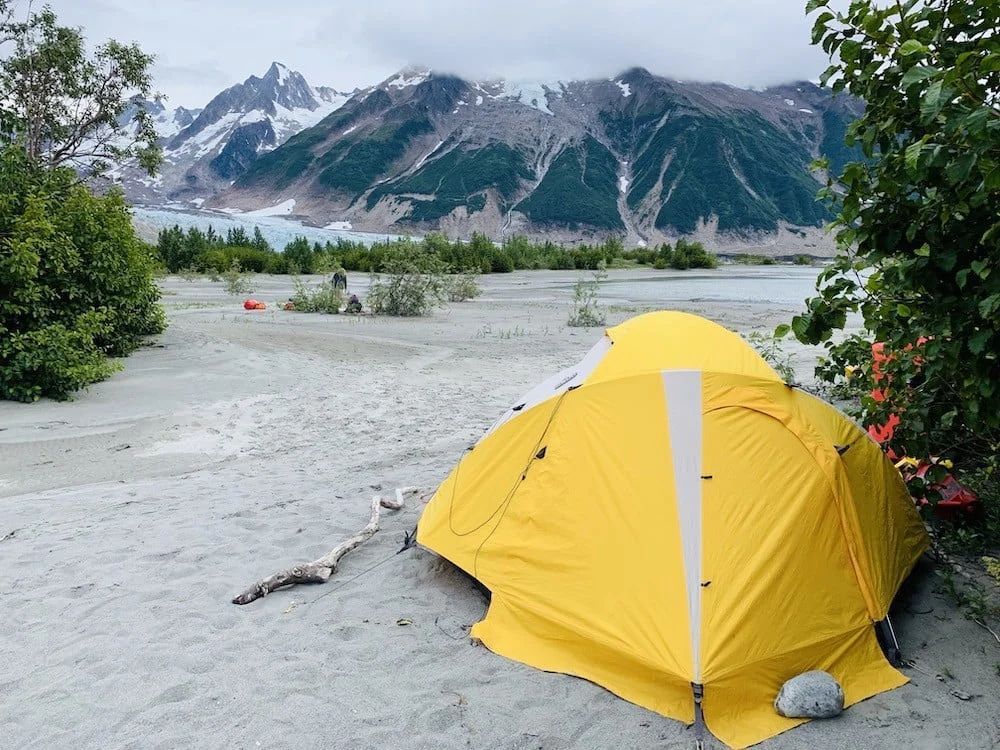
These are two of the greatest river trips in the world: the Colorado River in the Grand Canyon and the combined Tatshenshini River–Alsek River journey. Beyond that distinction, they are shaped by entirely different environments and forces.
The Grand Canyon is a desert river—defined by heat, rock, and deep geological time. The Tatshenshini–Alsek is a glacial river system—a throwback to the Ice Age, shaped by cold, water, ice, weather, and constant change.
They are often mentioned in the same conversation because they sit at the very top of the river-running world. But they are not truly comparable. They are different answers to the same question: what does a great wilderness river journey look like?
Desert River vs Ice-Age Landscape
The Grand Canyon
The Grand Canyon is a landscape of stone, sun, and vertical scale. Canyon walls rise thousands of feet above the river, creating shade that is often welcomed during hot summer days. Light moves slowly through the Canyon, revealing layers of geology and history as the sun climbs overhead.
Because the Canyon spans such a large elevation range—from snowy rims to a warm desert bottom—it contains an extraordinary number of biomes packed tightly together. Biodiversity is high, and the experience feels ancient, exposed, and clearly defined.
The Tatshenshini–Alsek
The Tatshenshini–Alsek flows through vast glacial valleys carved by ice. Scale here is horizontal and expansive rather than vertical. Mountains, glaciers, and weather systems define the experience, often at a distance, with views that stretch for miles.
Light behaves differently this far north. In June, July, and early August, it rarely gets dark. Sun feels welcome because temperatures are cool, but it can still be intense—many guides who work spring and early summer in the Grand Canyon are surprised to get sunburned in Alaska.
This is a living landscape, still actively reshaped by ice and water.
Sound, Water, and Human Presence
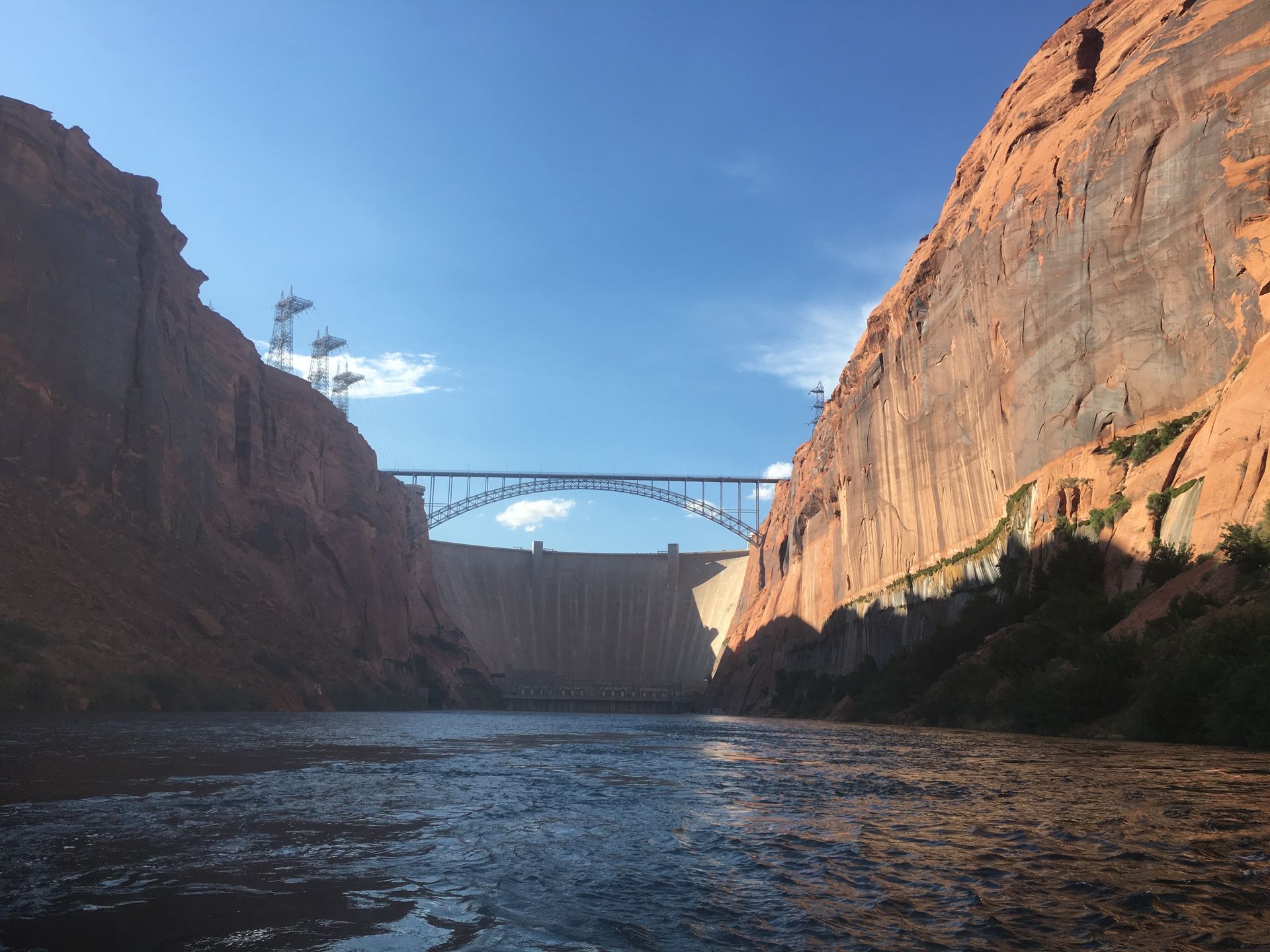
In the Grand Canyon, wind often moves through willows and tamarisk in warm waves, carrying a whooshing sound down canyon corridors. The Colorado River flows clear and cool, regulated by Glen Canyon Dam, with predictable daily rhythms. Human presence is part of the experience—other groups, motor rigs, and shared attraction sites are common, though experienced guides know how to minimize overlap.
On the Tatshenshini–Alsek, the soundscape is different. Wind often comes cold off glaciers. The river is heavily silted, and sediment crackles beneath rafts as they move downstream. Side streams roll large rocks, audible even from camp. Human noise is rare, and long stretches pass without seeing another group.
The Colorado River feels contained—situated between two reservoirs. The Tatshenshini–Alsek is fully free-flowing, emptying naturally into the Pacific Ocean, and remains dynamic and changing as glaciers advance and retreat.
A Simple Note on Rapids
In the Grand Canyon, the Colorado River follows a classic pool-and-drop pattern. Rapids are distinct events separated by calmer water, giving the trip a rhythm of excitement followed by recovery and play. These rapids are a defining feature of the Canyon experience and often serve as daily highlights.
On the Tatshenshini, whitewater plays a different role. There is one primary canyon section with more concentrated rapids, often compared to the feel of the Colorado River in Westwater Canyon. After this section, the river remains fast-moving, with continuous current, standing waves, and momentum rather than distinct drops.
In short, Grand Canyon rapids tend to punctuate the day. On the Tatshenshini–Alsek, the excitement is woven into the river’s constant movement through a powerful glacial system.
Pace and Daily Rhythm
Grand Canyon trips tend to move quickly. Days often start early to take advantage of cooler morning temperatures, with long stretches of travel, hiking, and exploration. Sandy beaches invite swimming, water fights, and floating to cool off during hot afternoons.
The Tatshenshini–Alsek moves at a slower, more contemplative pace. Layover days are common. Time in camp is valued. It’s normal to wait out rainstorms, take midday naps in dry tents, or sit quietly watching for wildlife. Because it stays light so late, dinner might be prepared at 10 p.m. without concern for darkness.
Guests often get more sleep in Alaska—though the endless daylight can make it harder to fall asleep—while Grand Canyon days tend to leave people ready for rest once the sun sets.
Wildlife and Awareness
Wildlife in the Grand Canyon is generally smaller and familiar: bighorn sheep, foxes, bobcats, ringtail cats, and a wide variety of birds. Rattlesnakes and scorpions are usually the animals people worry about most. Large predators exist but are rarely encountered.
On the Tatshenshini–Alsek, wildlife is larger and less habituated to people. Grizzly and black bears are part of the landscape, along with wolves, moose, eagles, and salmon runs. Guests become more aware of their surroundings and instincts. Traveling in groups away from camp is standard practice, and seeing the first large bear tracks often marks a shift in how people understand their place in the environment.
Weather and Comfort
The Grand Canyon is hot and dry, with large daily temperature swings—cool nights and very warm days, especially in summer. Shade is precious, and dew is rare.
The Tatshenshini–Alsek has a cooler, coastal climate. Temperatures often hover near 50°F day and night. Rain is common, and tents are frequently covered in dew in the morning. Layering and good rain gear are essential. Weather is not just something to prepare for—it actively shapes the experience.
Time, Emotion, and the End of the Trip
On both rivers, people begin thinking about the outside world the day before the trip ends, regardless of trip length. But the emotional arc feels different.
The Grand Canyon feels more ritualized, shaped by repetition and human presence. Finishing the trip often feels like a re-entry.
The Tatshenshini–Alsek feels more unpredictable and self-directed. Completing the journey often feels like a return—with many guests expressing a strong sense of accomplishment tied to weather, isolation, and immersion in true wilderness.
Who Each River Is Best Suited For
The Grand Canyon often suits people who:
- Thrive in warm temperatures
- Enjoy active days and exploration
- Like swimming, play, and social energy
The Tatshenshini–Alsek often suits people who:
- Prefer cooler weather and layering
- Value presence over pace
- Are drawn to wildlife, weather, and big, intact landscapes
Both trips create deep emotional connections. They simply do so in different ways.
The Line That Ends the Comparison
If you understand the Grand Canyon, the Tatshenshini–Alsek will still surprise you because it is a completely different experience on the same level of magnificence.
If the Grand Canyon is a masterclass in rafting, the Tatshenshini–Alsek is a masterclass in the Alaska rafting experience.
About the Author
Written by Walker Mackay, river guide with decades of experience leading wilderness expeditions through both the Grand Canyon and Alaska’s Tatshenshini–Alsek system with Colorado River & Trail Expeditions.
More About the Tatshenshini–Alsek vs the Grand Canyon: Two of the Greatest River Trips in the World, Shaped by Completely Different Landscapes