
Why the Tatshenshini is one of the Last True Wilderness River Trips on Earth
From the Yukon to the Gulf of Alaska, this legendary river still offers the kind of wild expedition that has almost disappeared from the modern world.
Why the Tatshenshini Is One of the Last True Wilderness River Trips on Earth
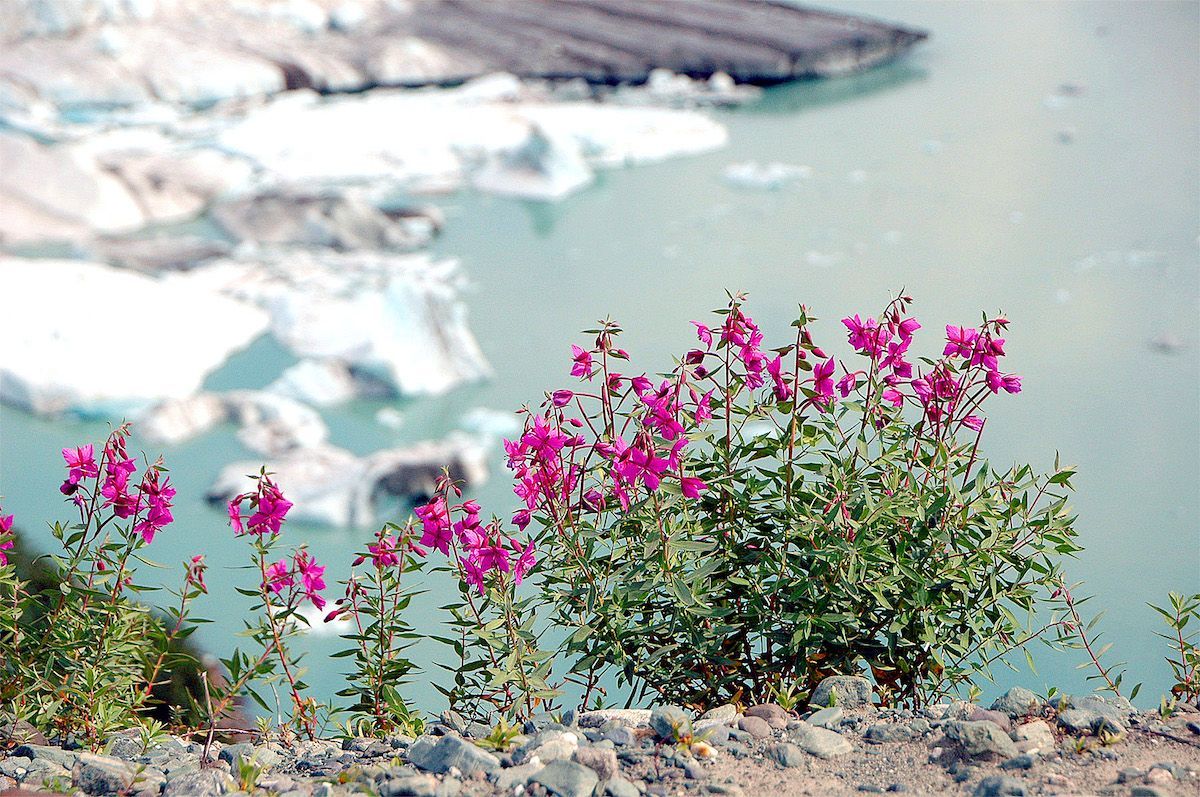
There is a particular feeling that comes with camping along the Tatshenshini River—the realization that there is no one else around. Not just nearby, but for miles. Your camp exists alone in a vast landscape of tall mountains and broad glacial valleys. Creeks spill out of the hillsides near camp, thick with sediment, rolling rocks you can hear and feel as glacial meltwater moves steadily downhill. Even at rest, the landscape is alive.
This is where the Tatshenshini separates itself from nearly every other river trip still accessible today.
At a Glance: Why the Tatshenshini Stands Apart
The Tatshenshini River is one of the last places in North America where wilderness still sets the terms.
- Uncrowded and untrammeled — You may not see another group for days
- No infrastructure, no easy exit — Once the trip begins, you are fully committed
- Massive glacial scale — Broad valleys, towering mountains, active glaciers
- Wildlife not habituated to people — Grizzly bears, wolves, eagles, salmon
- Weather-driven experience — Storms, wind, sun, and cold shape the journey
- True expedition mindset — Comfort comes from preparation, not convenience
This is not a trip defined by amenities or schedules. It is defined by place.
What “True Wilderness” Really Means
True wilderness is not a romantic idea—it is a practical one. On the Tatshenshini, the landscape is largely untrammeled and uncrowded. You are not sharing camps. You are not working around other groups’ itineraries. You may not see another person for days at a time.
There is no infrastructure to lean on. No road access. No easy exit. You are at the will of the place.
The scale is uncompromising. Mountains rise thousands of feet from sea level. Glaciers fill entire valleys. Wildlife is abundant and unconditioned. Time feels older here—closer to a period when humans did not yet have all the answers, and knew better than to pretend otherwise.
A Scale That Resets Perspective
One place where the magnitude of this landscape becomes undeniable is near the confluence of the Tatshenshini and the Alsek River. Two massive rivers come together here, each draining enormous glacial systems carved by ice.
On one trip, while camped on an island near the confluence, we watched a black bear swim into a wide, fast-moving channel. The current carried it far downstream before it climbed out, shook itself dry, and went on with its day. For us, it was unforgettable. For the bear, it was simply life in big country.
Moments like that remind you that this place still belongs to the natural world first.
Wilderness Has Boundaries
Travel here requires a different awareness. When hiking or walking away from camp, it’s standard practice to stay in groups—not out of fear, but out of respect for bear country.
On hikes near Sediment Creek or through stands of cottonwood and spruce, it’s common to see bear claw marks ten feet high on the bark. Fresh tracks in the sand are often enormous, especially grizzly tracks. When guests see them, something changes. Conversations quiet. The photos come out. People understand, without being told, that this is big country.
The Tatshenshini doesn’t threaten you. It simply reminds you where you are.
Weather Is the Trip Leader
Weather plays a defining role on the Tatshenshini. Storms can hold a group in one camp for days, turning the trip inward—big fires, long conversations, stories told while rain moves through the valley.
At other times, the sun never seems to leave. In June, July, and early August, it doesn’t truly get dark. You can step out of your tent at midnight and see clearly across camp, no stars, no night sky—just endless light.
The river itself is glacial. Cold in a way that commands respect. Water temperatures often approach near-freezing by the end of the trip as meltwater accumulates. Swimming or floating the river for fun is not part of the experience. The current is fast, the water is cold, and attention matters.
Dry Bay and Letting Go of Control
The take-out at Dry Bay is accessible only by plane. When weather delays flights, the trip isn’t quite over yet.
Guides usually feel relief—we made it. We’ll leave when it’s time. Some guests feel the same. Others struggle with the lack of control. After the initial surprise, most people rest, wait for updates, and adjust.
Extra food comes out. Sometimes local fishermen share fresh salmon. By the time everyone gets home, the delay often becomes one of the stories they tell most fondly.
It’s a fitting ending to a trip that has never promised convenience.
A Glimpse of an Older World
The Tatshenshini offers a rare look at what much of North America once was: big rivers, big ice, big animals, and vast spaces shaped by forces far older than us.
There are more glaciers, bears, wolves, and eagles than people here. Salmon move upriver in numbers that draw bald eagles by the dozens. Their presence—perched, circling, feeding—becomes part of the daily rhythm.
People return home with gratitude, perspective, and a quiet sense of accomplishment. Not because the trip was extreme, but because it required patience, humility, and comfort with uncertainty.
Even for those who never choose to raft the Tatshenshini, it matters that places like this still exist.
Frequently Asked Questions About Rafting the Tatshenshini River
1. Is the Tatshenshini River harder than the Grand Canyon?
Not technically. The whitewater itself is generally straightforward, but the overall experience is more demanding due to cold glacial water, weather exposure, remoteness, and limited infrastructure.
2. How cold is the Tatshenshini River?
The Tatshenshini is a glacial river, and water temperatures often approach near-freezing by the end of the trip as it collects more meltwater.
3. Do you really see grizzly bears on the Tatshenshini?
Yes. The river corridor supports healthy populations of grizzly and black bears, along with wolves and abundant birdlife. Wildlife here is largely unhabituated to people.
4. What makes the Tatshenshini different from other Alaska rafting trips?
The combination of true isolation, glacial scale, abundant wildlife, and full logistical commitment. You are not passing lodges, roads, or established infrastructure.
5. What happens if weather delays flights at the end of the trip?
Delays are possible. Groups wait at Dry Bay until flying conditions improve. Extra food is carried, and delays often become part of the experience rather than a problem.
6. Who is the Tatshenshini River best suited for?
People who are comfortable with uncertainty, prepared for rain and cold, and drawn to wilderness on a large, unfiltered scale. It’s not about toughness—it’s about mindset.
7. Is the Tatshenshini a good trip for first-time rafters?
Yes, for the right person. Proper gear, preparation, and attitude matter far more than prior rafting experience.
Author
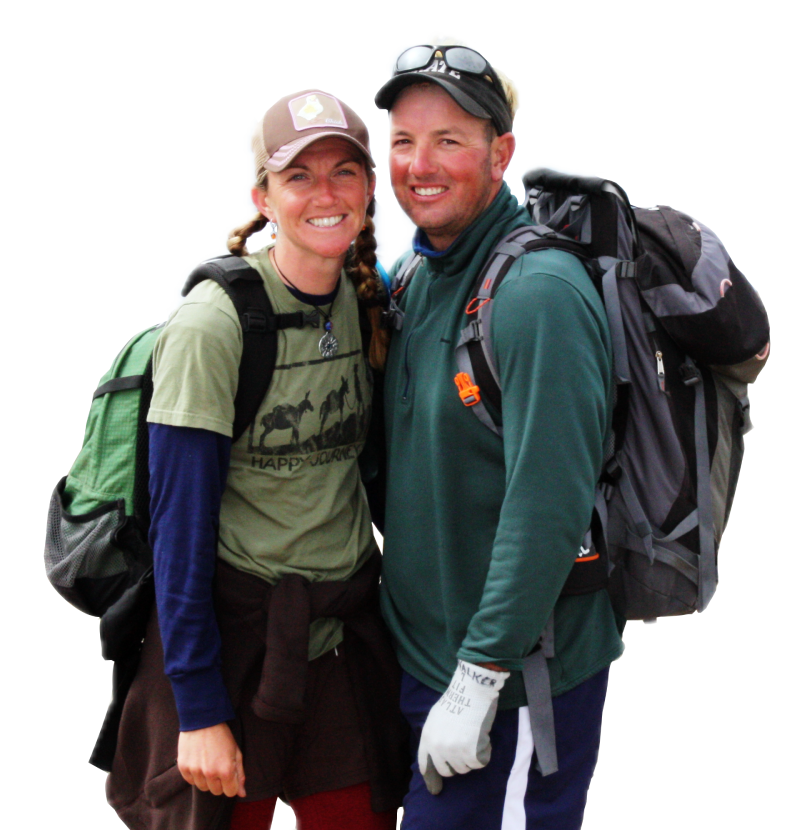
Written by Walker Mackay, river guide with decades of experience leading wilderness rafting expeditions in Alaska and the American Southwest with Colorado River & Trail Expeditions.
More About the Why the Tatshenshini is one of the Last True Wilderness River Trips on Earth