
Giving Thanks
On Thanksgiving Day, when it comes time to truly tally all that fills my world with joy, it is impossible not to include my life as a river guide. Though I’m grateful each time I look over my shoulder at a rapid safely navigated or emerge from a hike into a hidden side canyon oasis, this time of year I welcome the opportunity to reflect on the unmistakable elements of my life outdoors that make it so darn full. Here are just a few:
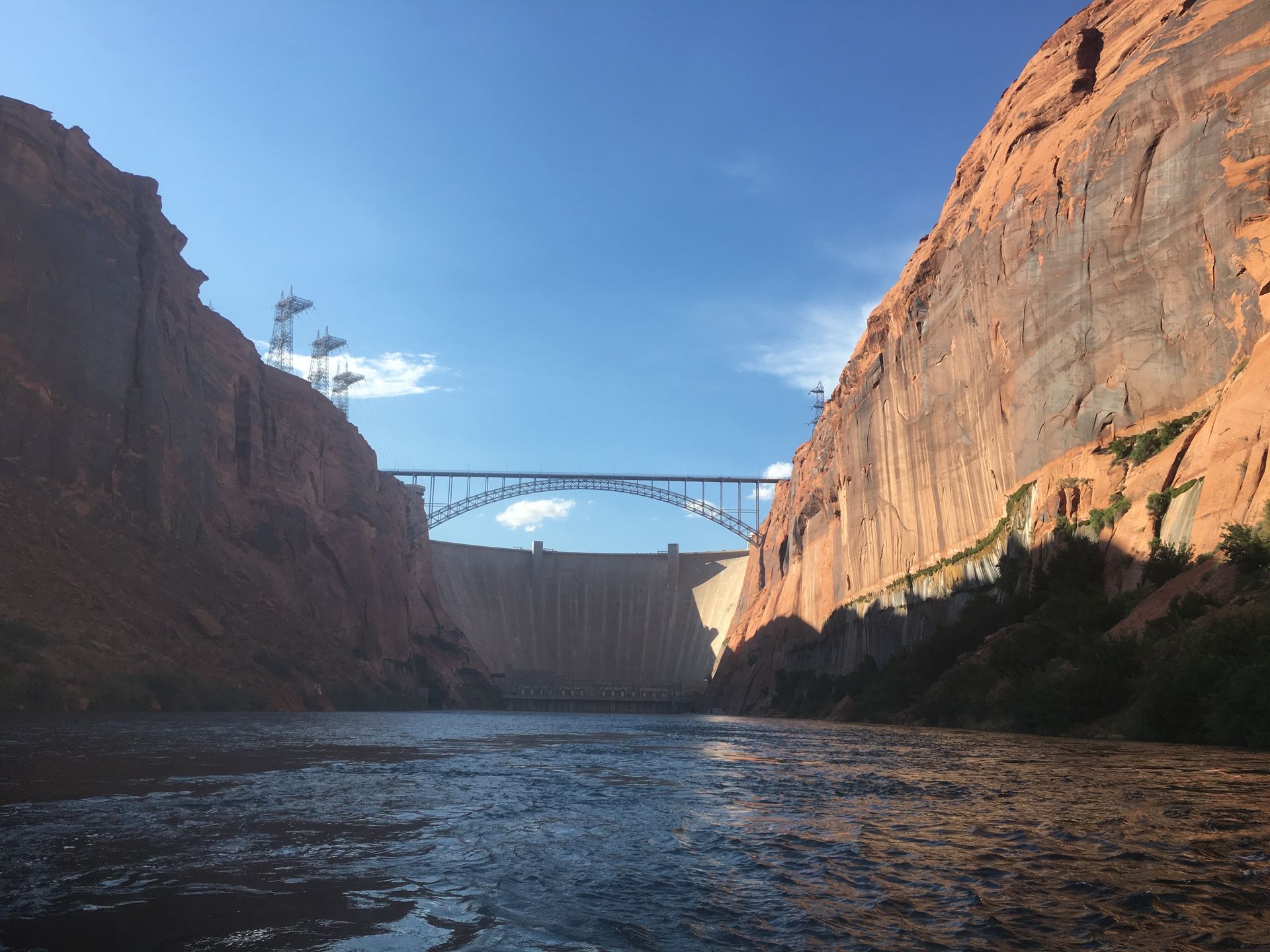
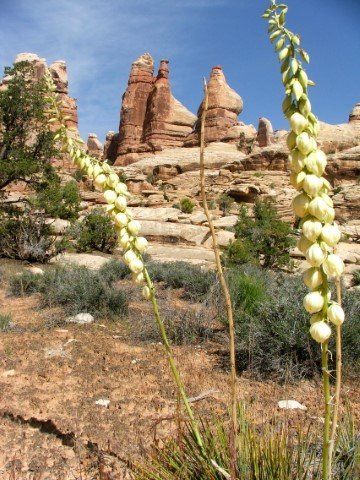
Today I am thankful for wild places; any wild place, all wild places, untouched as they can be by the long reach of our industrial human hand. A place where it is possible to find solitude, to sit in silence or to observe the natural processes of this incredible Earth, is a place to be grateful for in my book.
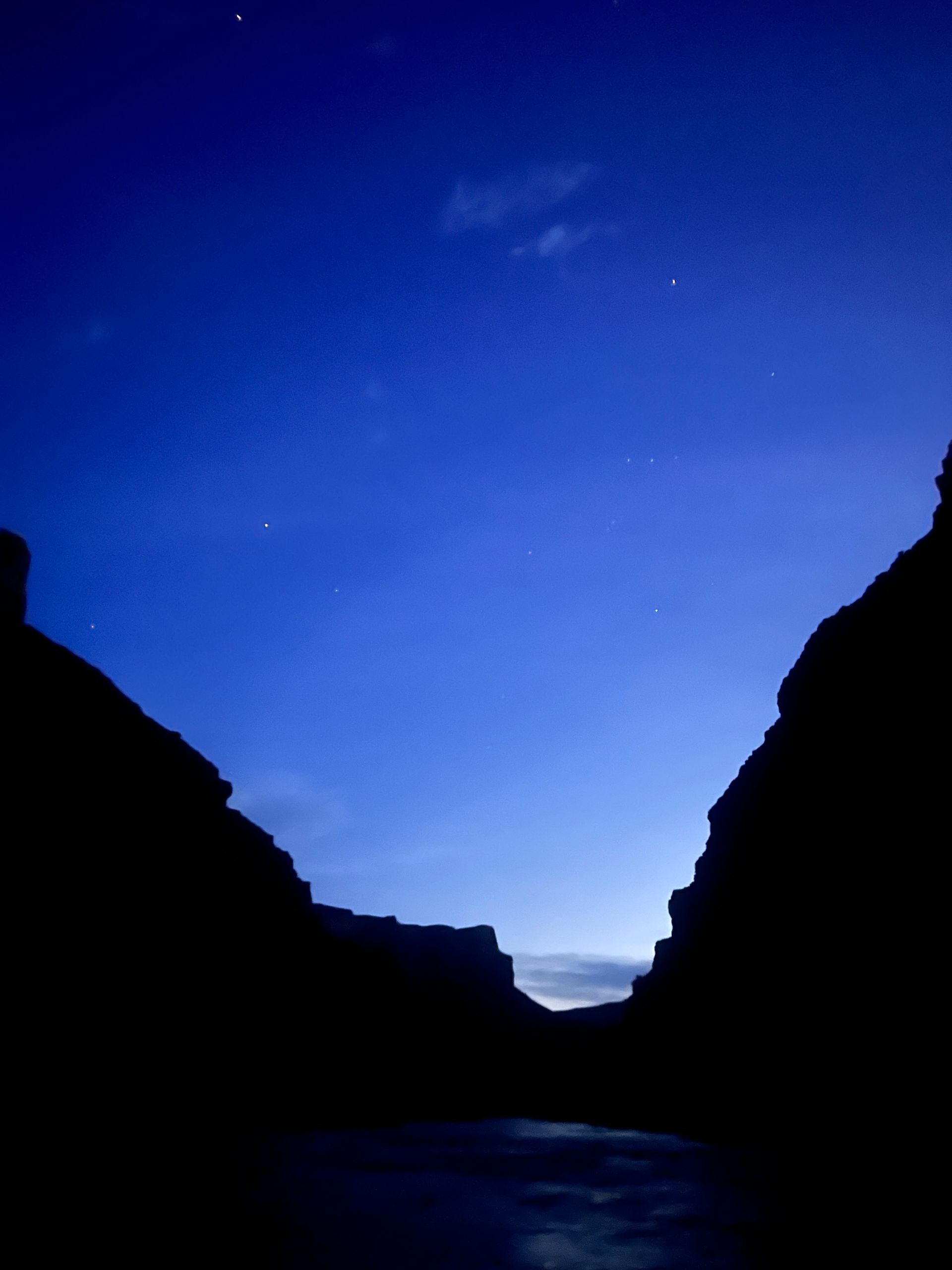
I feel this gratitude when I’m hiking by myself, but not completely alone, listening to the playful chatter of a family of Ravens. When I lie down at the end of a long day beneath an infinitely dark sky filled with the crisp glitter of stars beyond stars, I cherish places removed from floodlights, stoplights, even my own porch light. After I’ve happened upon a herd of Desert Bighorn sheep, a dozen of them huddled atop one crumbling boulder, or a rattlesnake barely decipherable from the cactus its tangled among, I am a gracious visitor in their habitats. I am thankful for the lone Gray Wolf who recently made her way 450 miles to the North Rim of the Grand Canyon, sparking the possibility that her species could return there someday after a 70-year absence.
Today I’ll toast the rugged, remote, untouched, undiscovered corners of the Earth and the need for them among all of our modern distractions.
I am also thankful for the organizations and individuals who fight for the protection of wilderness and how we use to get to use it. It seems I read about a new assault on a sacred place almost daily and am disheartened to think about it being irreversibly or unnecessarily altered. Still, it is also often that I meet and hear inspiring stories about people who persist in the fight to protect open spaces.
Currently, the dedicated activists at The Grand Canyon Trust and Save the Confluence are working to dismantle a development proposal that would place a tramway and snack bar at the confluence of the Little Colorado River in the Grand Canyon. The Canyonlands Watershed Council and the Sierra Club are fighting fracking and natural gas drilling operations that are already underway on the borders of Canyonlands National Park. The Grand Canyon, the Book Cliffs, Utah’s Canyon Country, and Alaska, the spectacular landscapes in which we work and play, in are constantly threatened by encroaching civilization. Thankfully there have been and continue to be explorers, writers, artists, activists, politicians and every-day people who take on the well-being of wilderness as their own. It is not easy and not often gratifying. I praise their energy and dedication.
Finally, I am eternally appreciative of the CRATE family and my place in it. I’m talking owners, guides, guests, friends, guests-turned-friends, drivers, allies, pioneers, legends, cronies, everyone. This company is tight-knit and we are all better for it. Along with being fortunate to wake up at the bottom of a canyon most mornings, I am lucky to spend my days exploring with folks who have become my closest friends. On each trip I am supported by the curiosity, kindness and team spirit of the CRATE crew. Laughing and living with them and having the opportunity to do the work we do as guides is a privilege.
Our crew is as diverse and talented as our clients, who are an exemplary bunch as well. Every day on the river offers me something new to learn. Whether I’m getting details about being a tugboat captain on the Mississippi River or spending the afternoon listening to a 14-year-old’s perspective on life in the Netherlands, I am able to show people a special part of the world and they are able to show a special part of it to me.
I am thankful for the relationships and the set of skills I have acquired over course of thirteen seasons that allow me to spend time with such vibrant people and have a part in this exchange.
So today, as much as ever, I am grateful that I get to be a river guide and that I am able to spend time in spectacular remote places with genuine people with which to share them. Happy Thanksgiving to river runners and wilderness enthusiasts everywhere. We are quite a lucky bunch. Cheers! – Mikenna
More About the Giving Thanks